North Kensington reads best as a layered history of settlement, refuge, labour,
faith, and resilience, with each wave reshaping the streets, markets, and institutions of the area.
5Historical Waves
12+Community Stories
Explore
Waves of Arrival
A History Told in Five Waves
These periods overlap. They are used here to show when different communities became especially
visible in North Kensington's homes, streets, faith spaces, organising traditions, and market life.
Wave Explorer
Community Histories
Choose a period, then explore the communities whose presence became especially legible in that wave
of North Kensington history.
mid-19th century to early 1900s
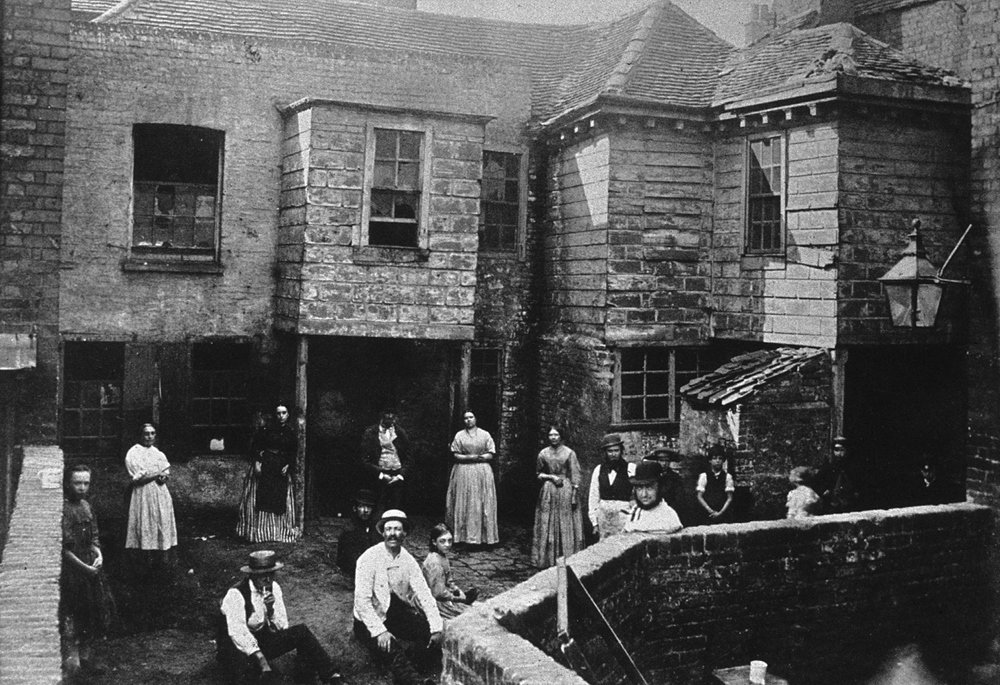
Foundations of Notting Dale
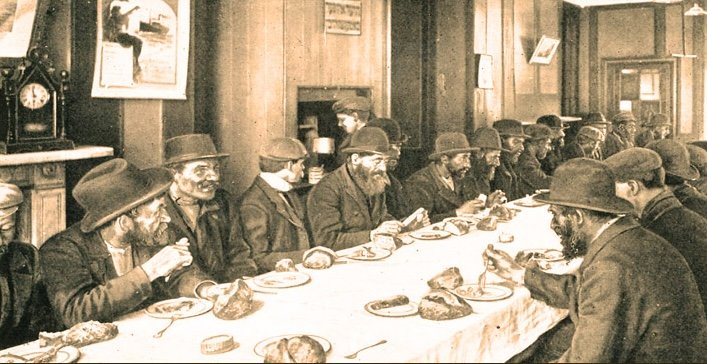
Before the better-known postwar migration stories, Notting Dale had already been shaped by
industrial labour, overcrowded housing, Catholic institutions, and communities living under
harsh material conditions. This is the social ground on which later North Kensington history
was built.
mid-19th century to early 1900s
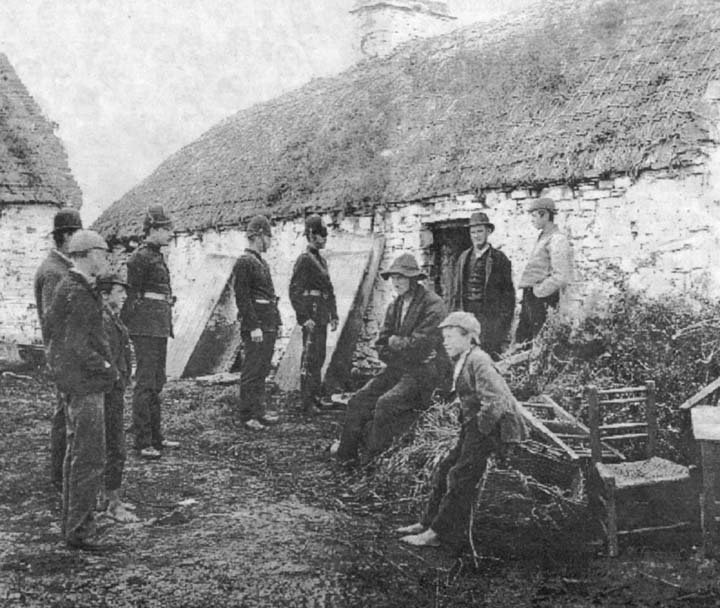
Irish Communities
Irish families were among the communities most closely associated with Notting Dale as
it urbanised. Drawn by labouring work, building trades, railways, and service work,
they helped shape the district's Catholic life, mutual aid, pubs, clubs, and family
networks.
Their story is not a brief prelude to later migration. It is part of the area's
foundation, linking work, faith, overcrowded housing, and community memory across
generations.
late 19th century onward
Irish Traveller Communities
Local memory and historical writing connect Notting Dale with Irish Traveller and
Gypsy histories. That matters because mobility, trading, Catholic identity, and
exclusion were already part of the area's story before later twentieth-century
arrivals.
The record is uneven, so this section avoids claiming a single arrival year. What is
clear is that Traveller histories belong in any serious account of how Notting Dale
was formed, lived in, and remembered.
1900s-1930s onward
Early 20th Century & Interwar Refuge
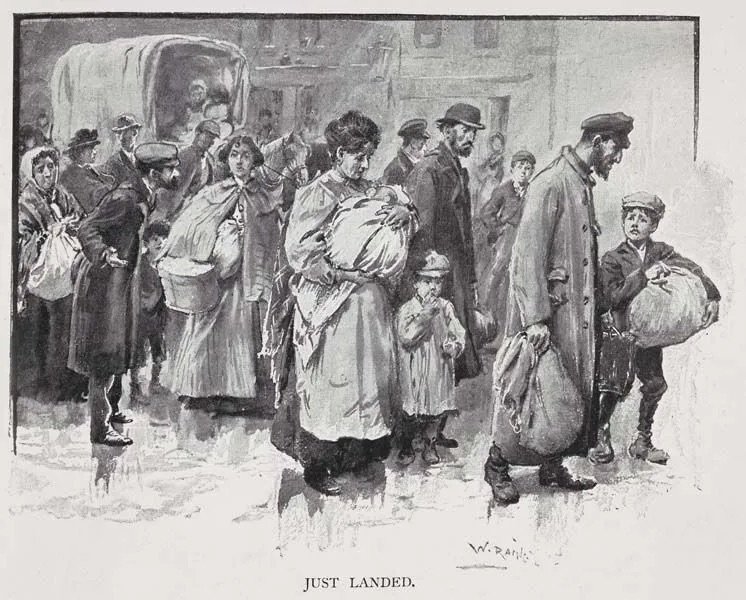
North Kensington was already a place of refuge before the postwar labour shortages and the
Windrush era. Around Portobello and Golborne, market life and street trading were shaped by
families escaping persecution, war, and political upheaval in Europe.
late 19th century to mid-20th century
Jewish Communities
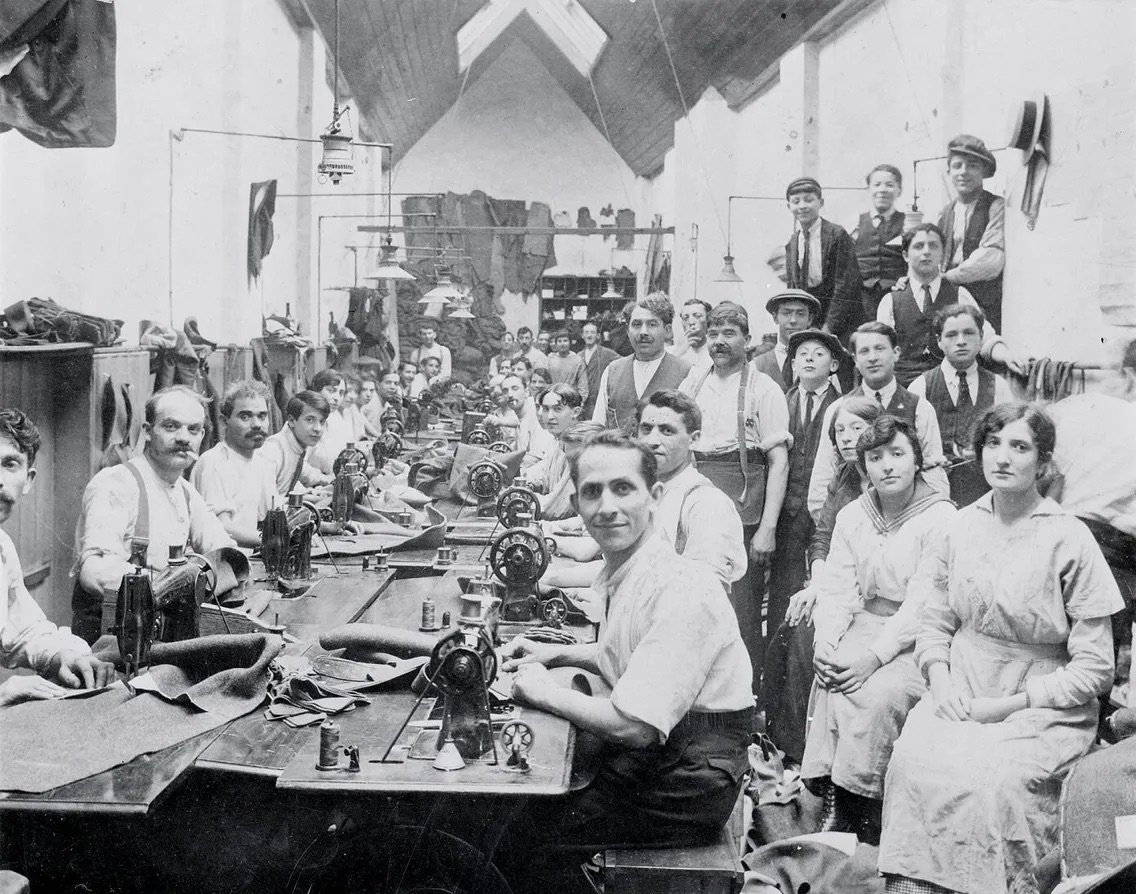
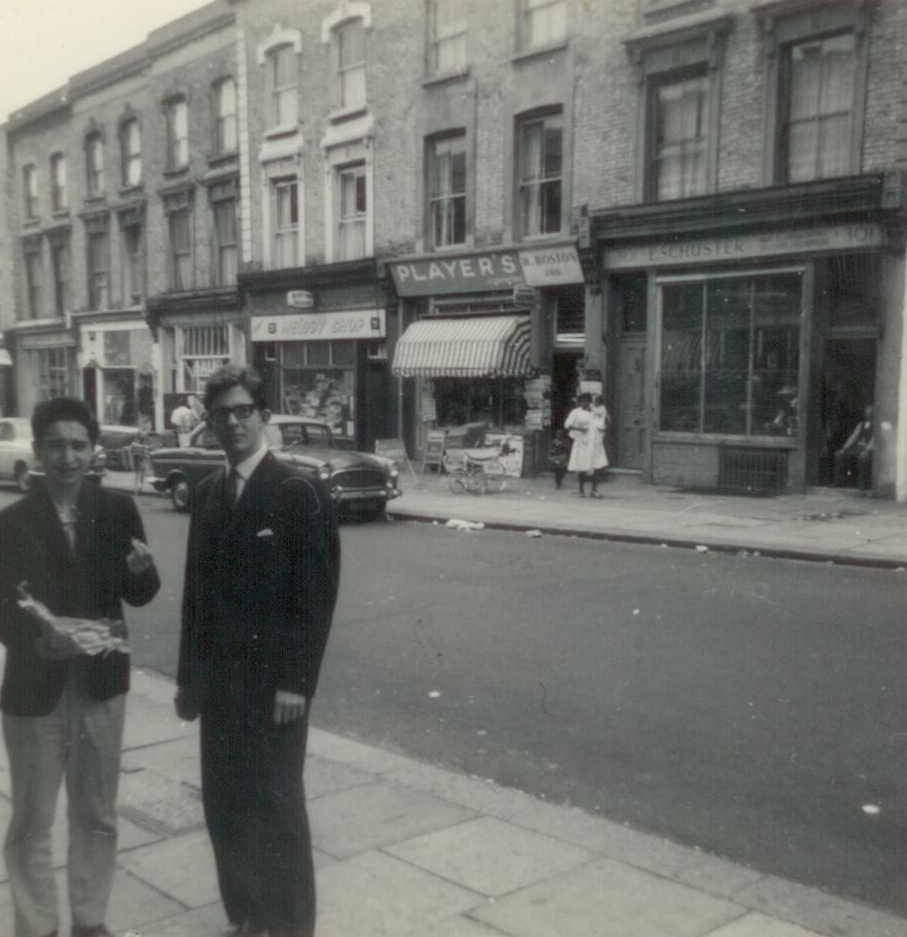
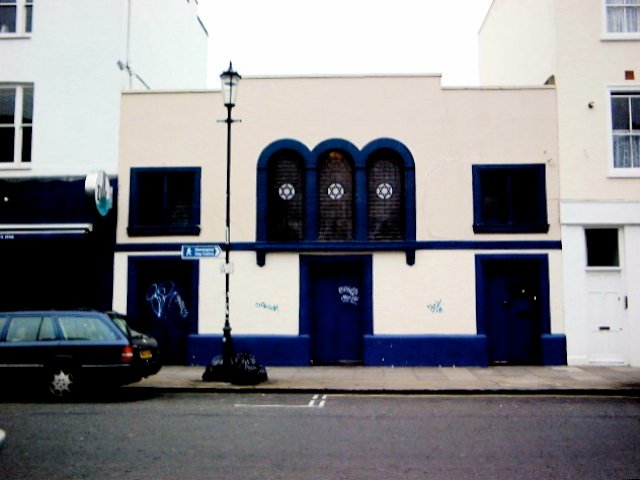
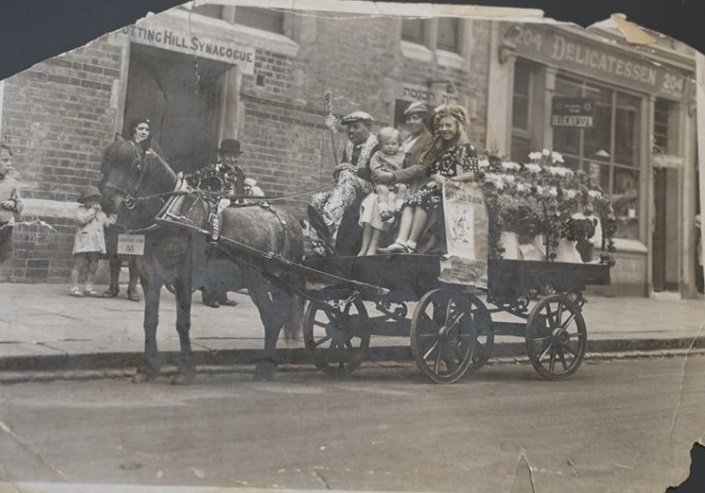
Eastern European Jewish families became an important part of local life around
Portobello Road and nearby streets. Shops, trading networks, religious institutions,
and family businesses helped shape the commercial and social character of the area.
Many families later moved elsewhere, but Jewish presence remained part of North
Kensington's market memory and community history.
1930s onward
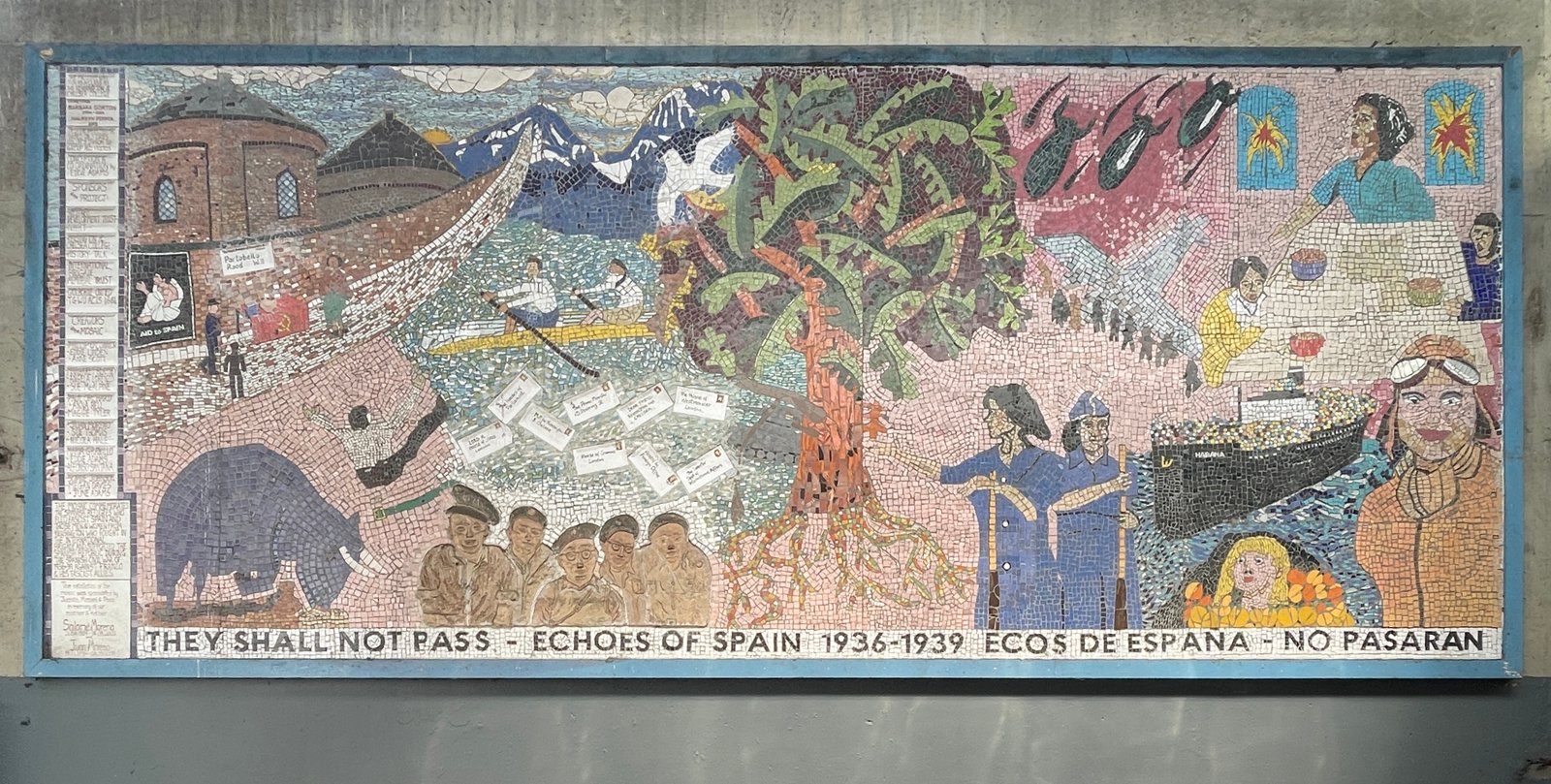
Spanish Communities
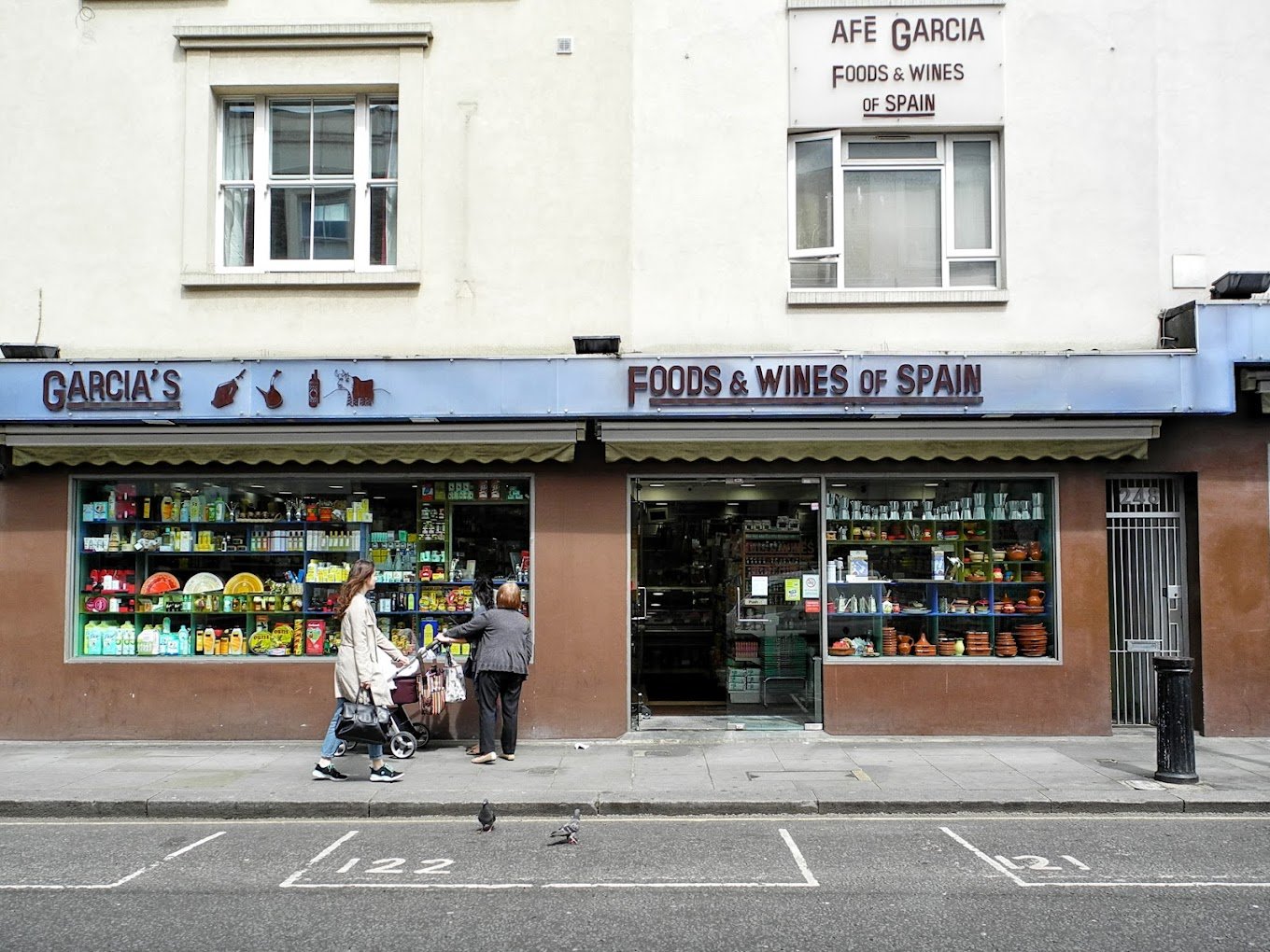
Spanish history belongs in North Kensington's interwar story, especially once local
accounts begin tracing arrivals connected to civil war and political upheaval in the
1930s.
Spanish presence did not end with one generation. The area retained a visible Spanish
language and cultural presence long afterwards, making this both a historical and a
contemporary North Kensington story.
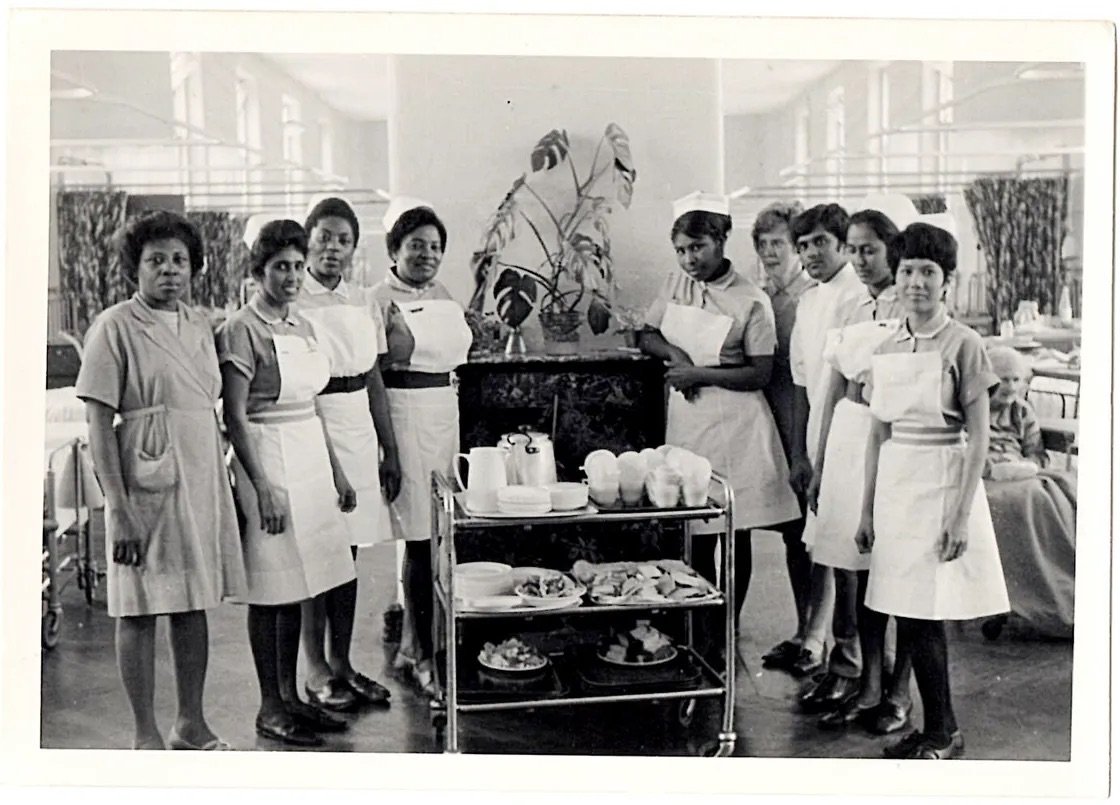
late 1940s-1960s onward
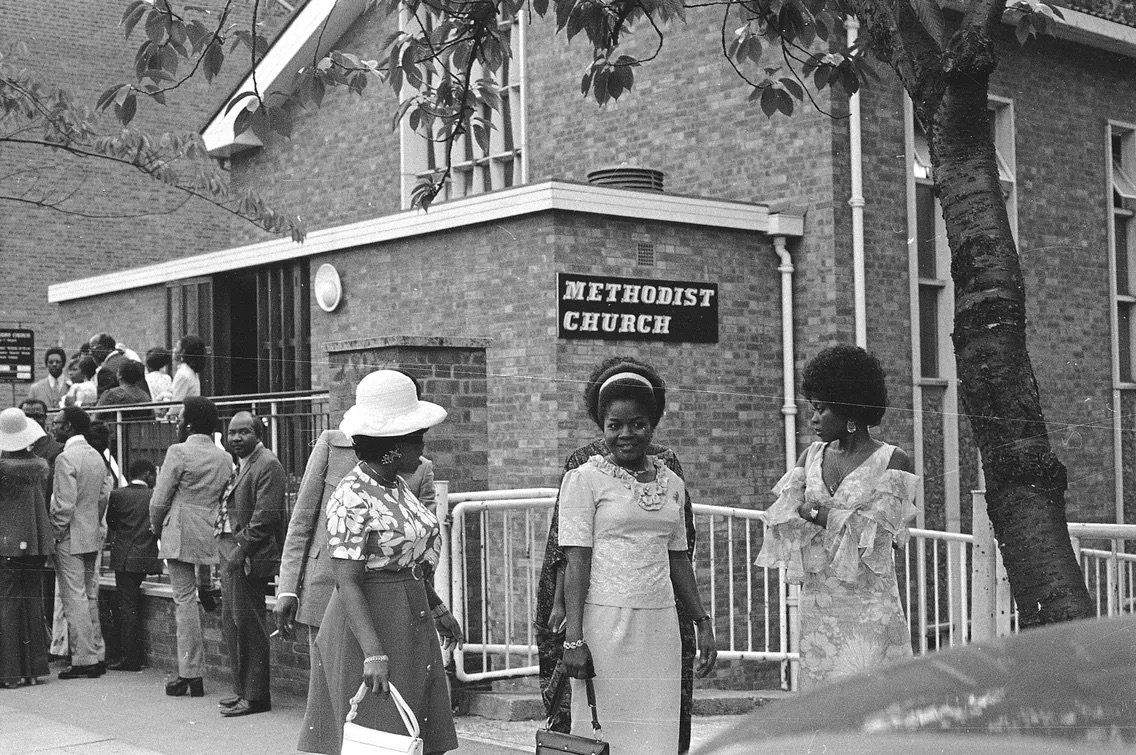
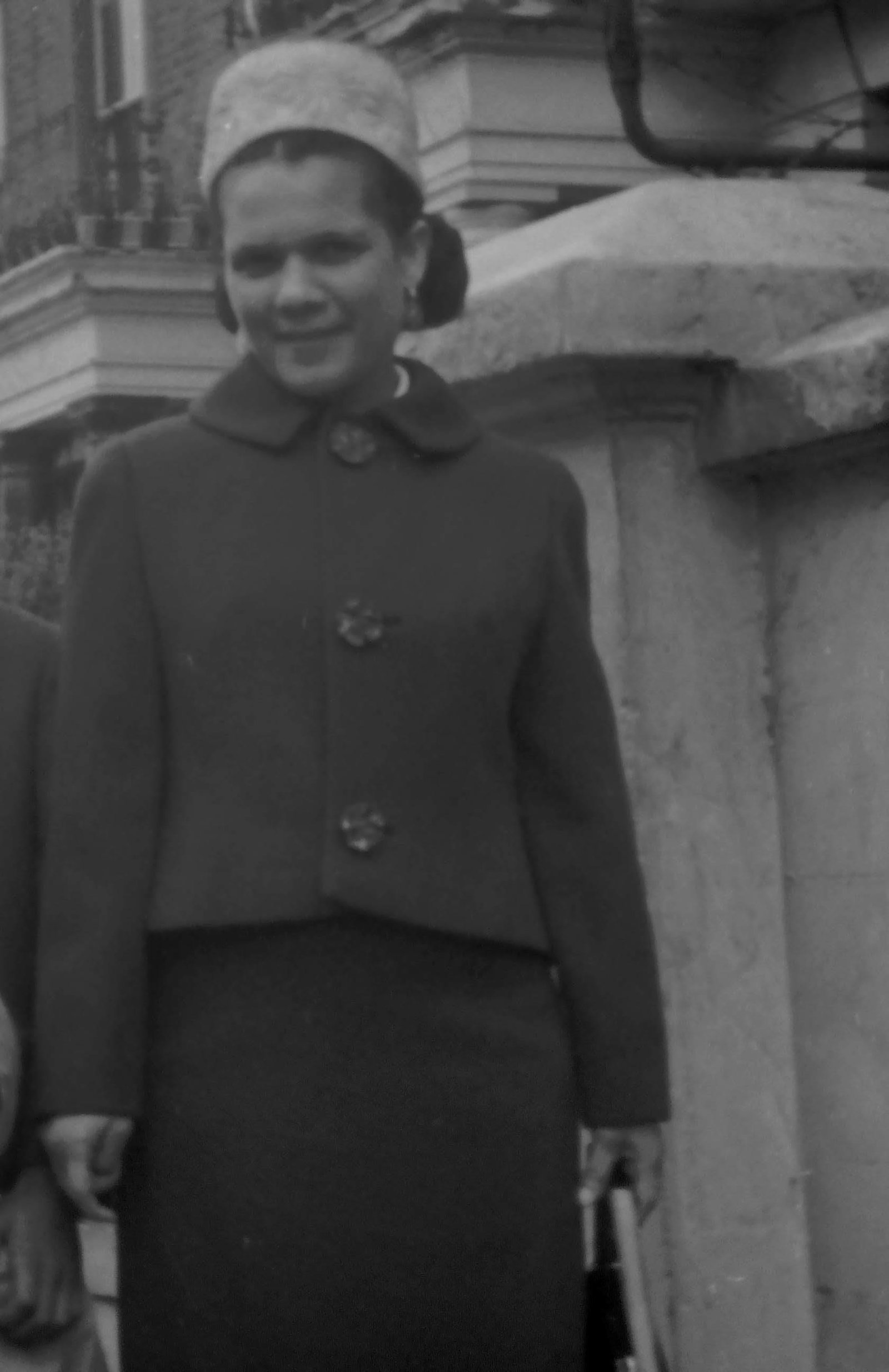
Postwar Rebuilding & Commonwealth Migration
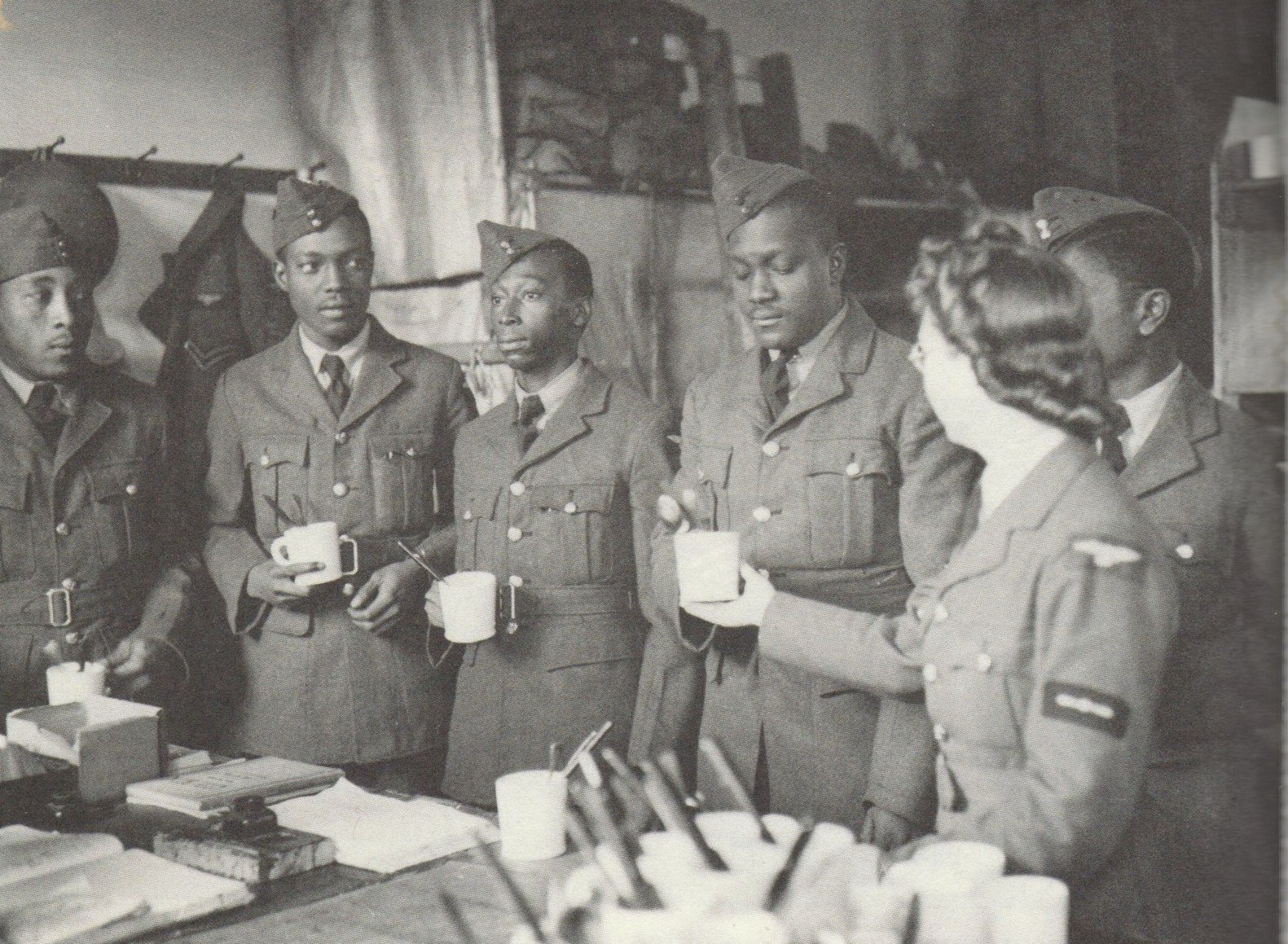
After the Second World War, labour shortages and imperial connections drew new families into
North Kensington. This wave transformed the area's political culture, high streets, faith
life, music, and community organising.
late 1940s onward
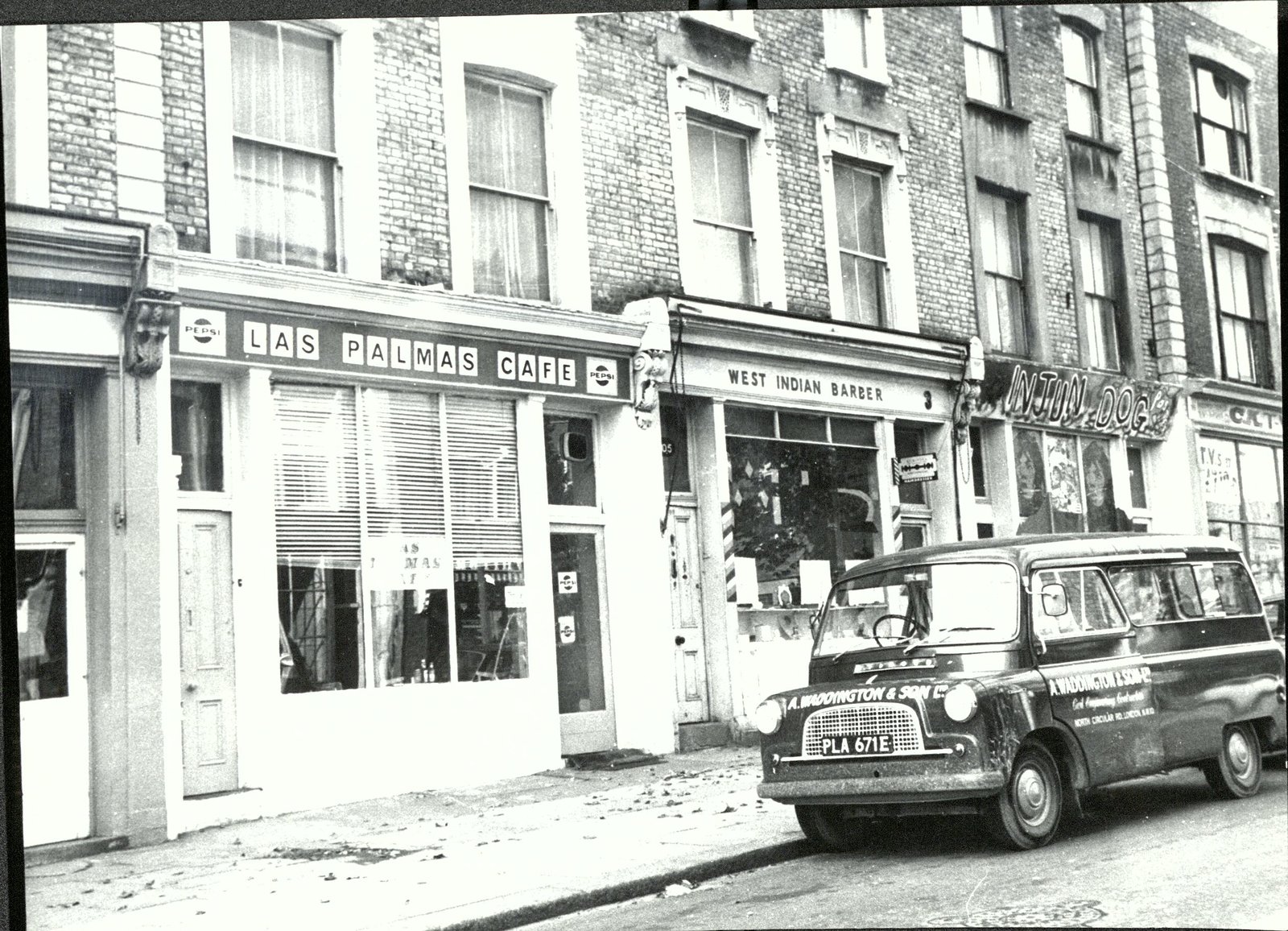
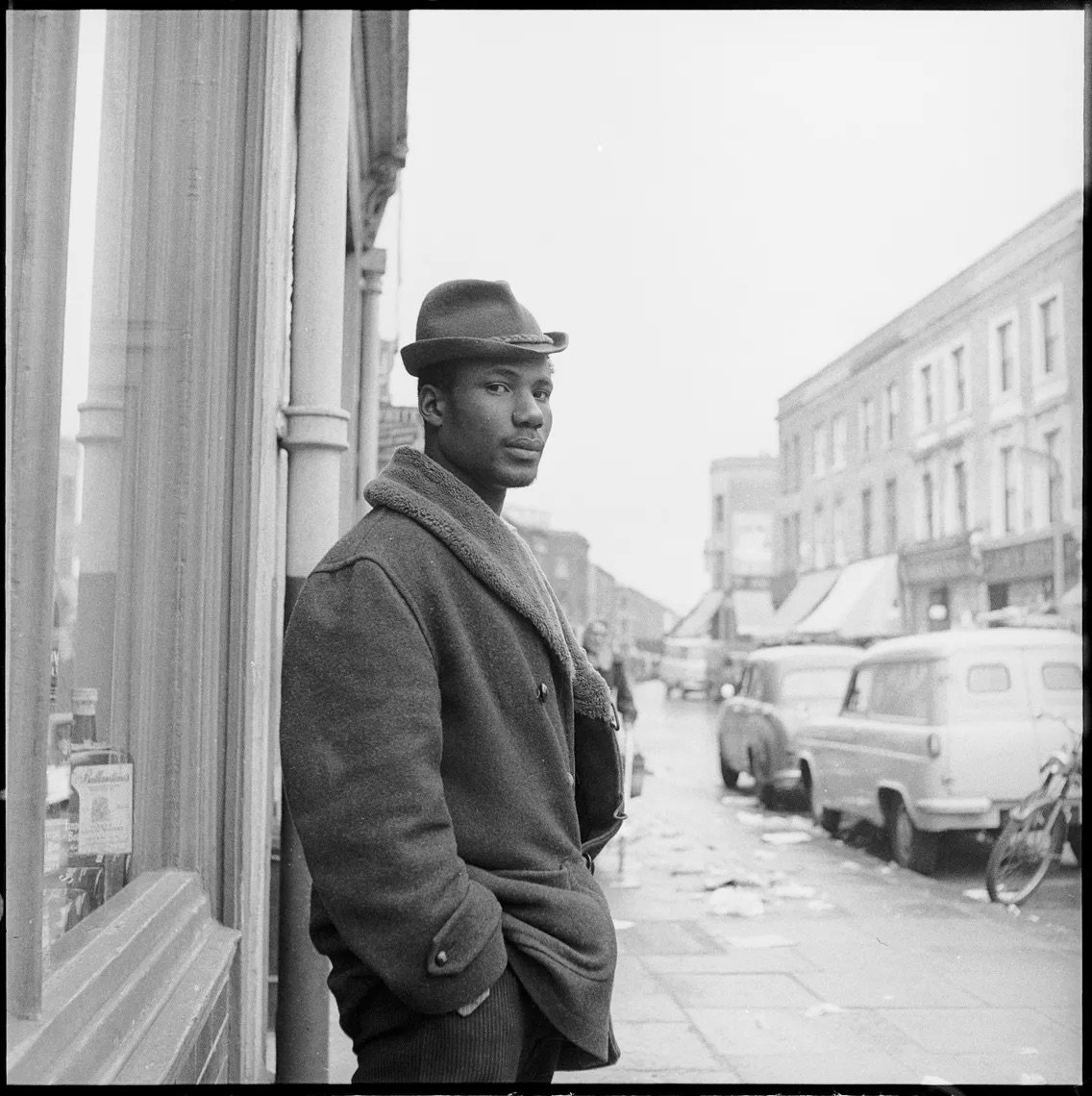
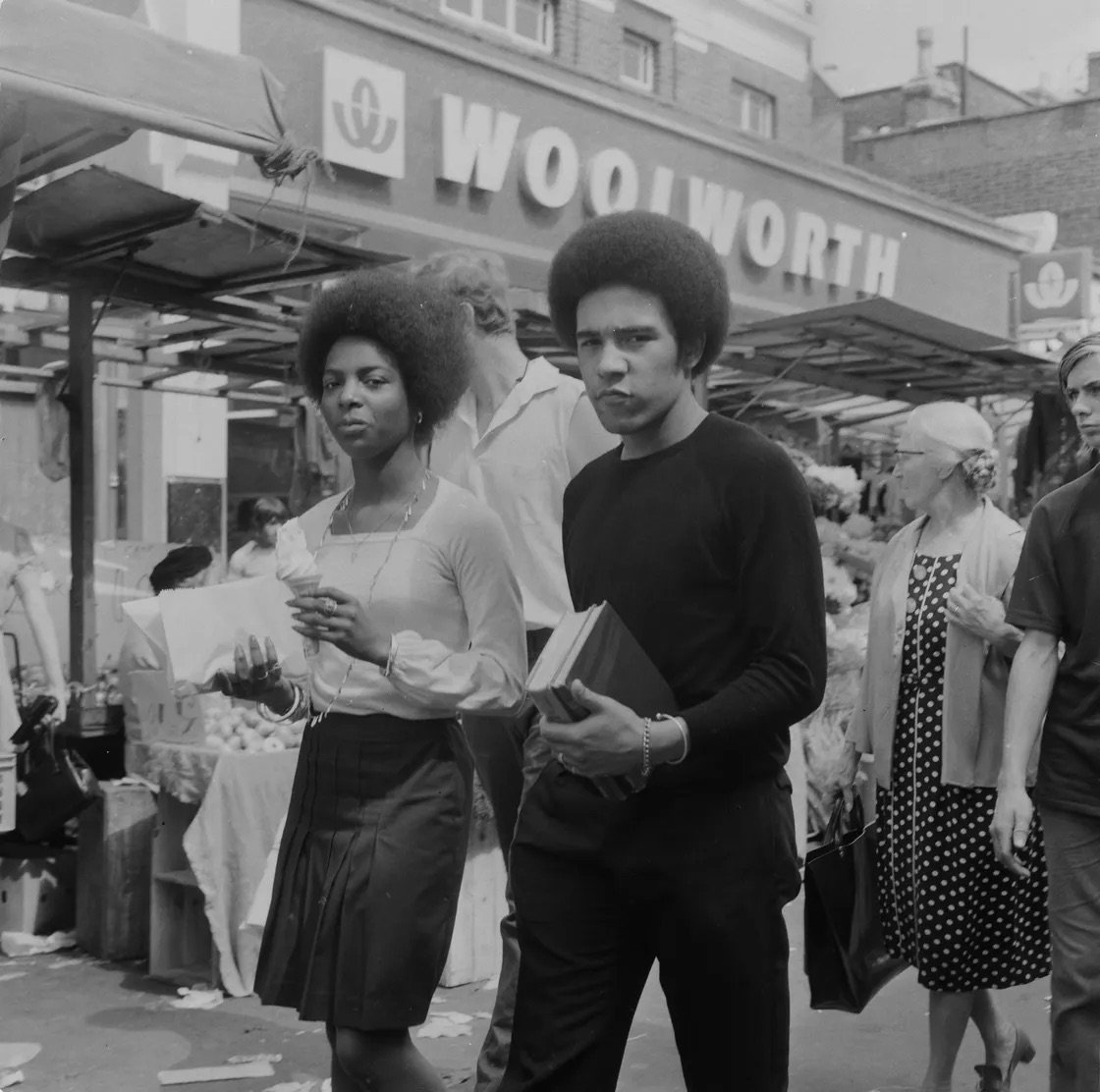
Caribbean Communities
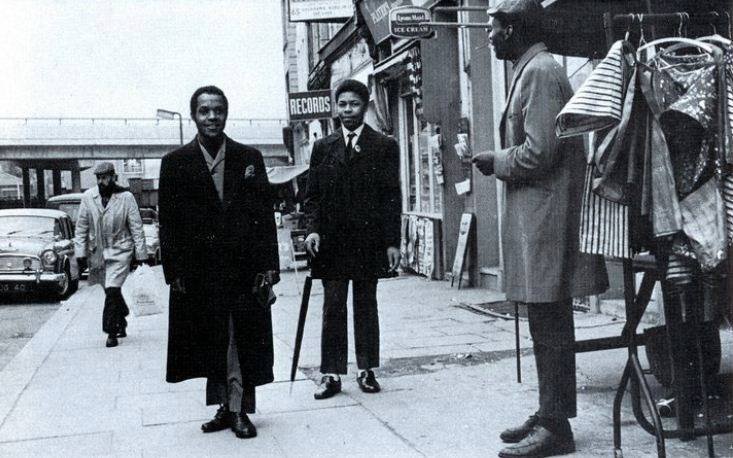
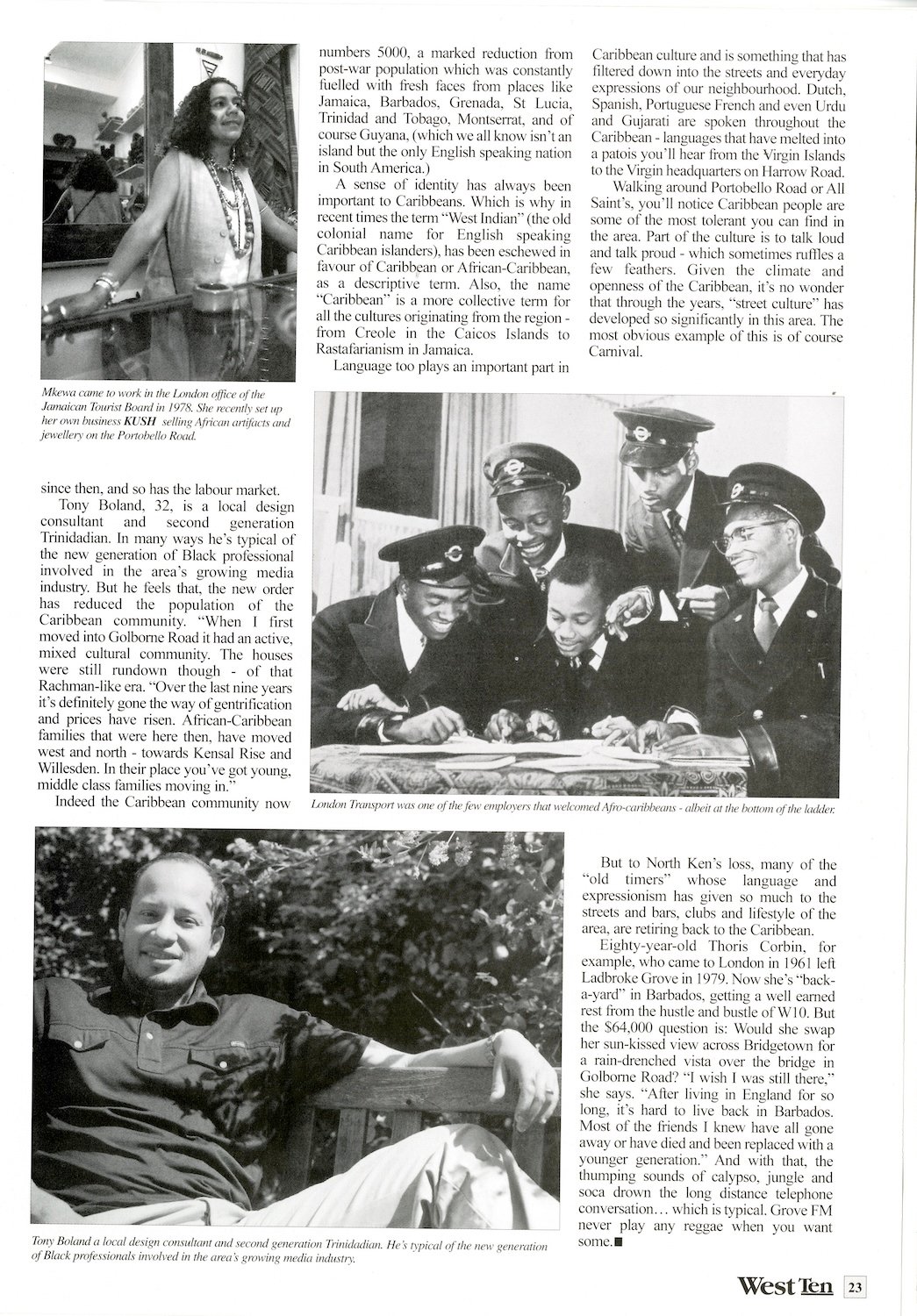
Caribbean migration became one of the defining forces in modern North Kensington.
People arriving from Jamaica, Trinidad, Barbados, and elsewhere built homes,
churches, businesses, and organisations while working in transport, public services,
industry, and other essential sectors.
Caribbean communities helped shape music, food, activism, anti-racist organising, and
the public culture from which Notting Hill Carnival emerged.
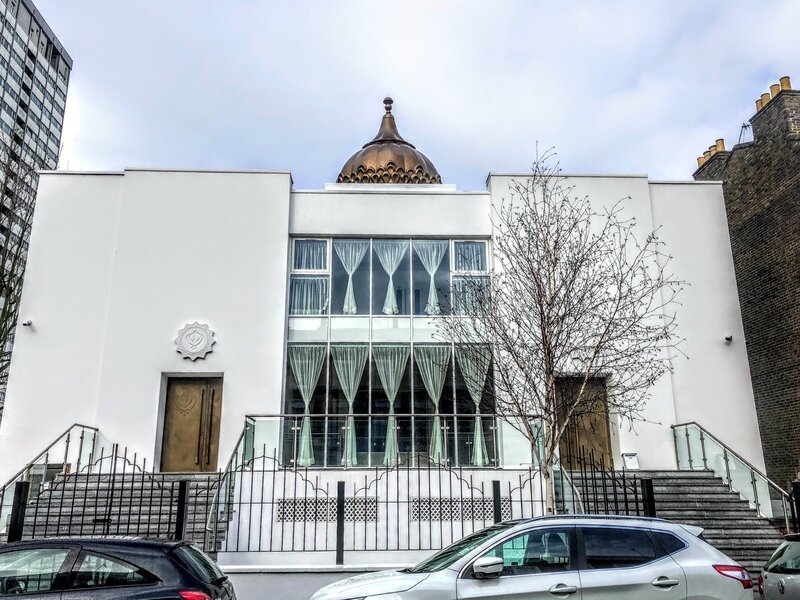
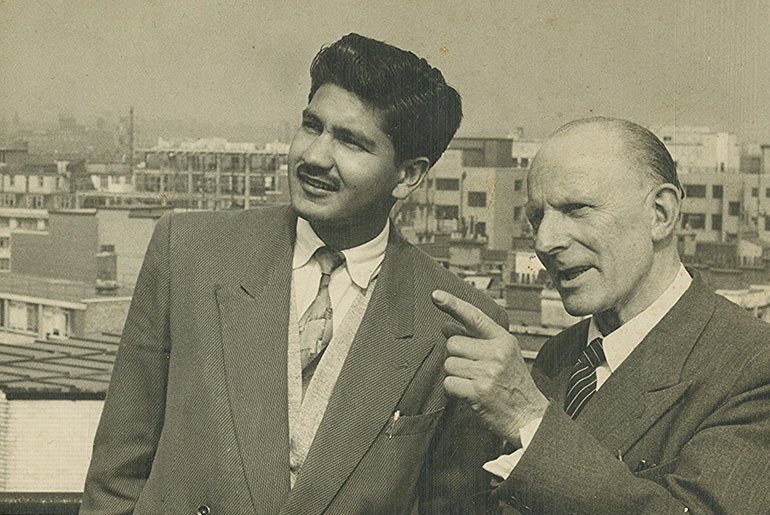
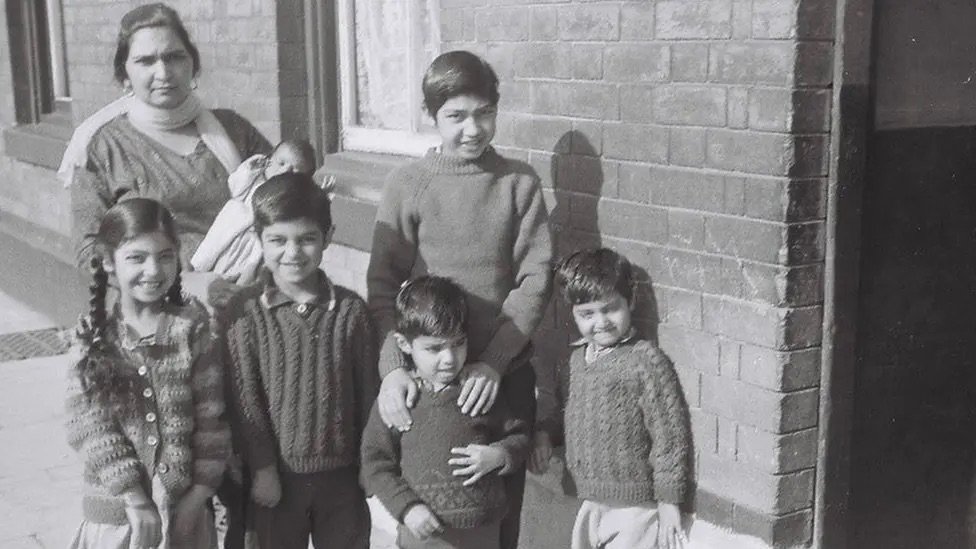
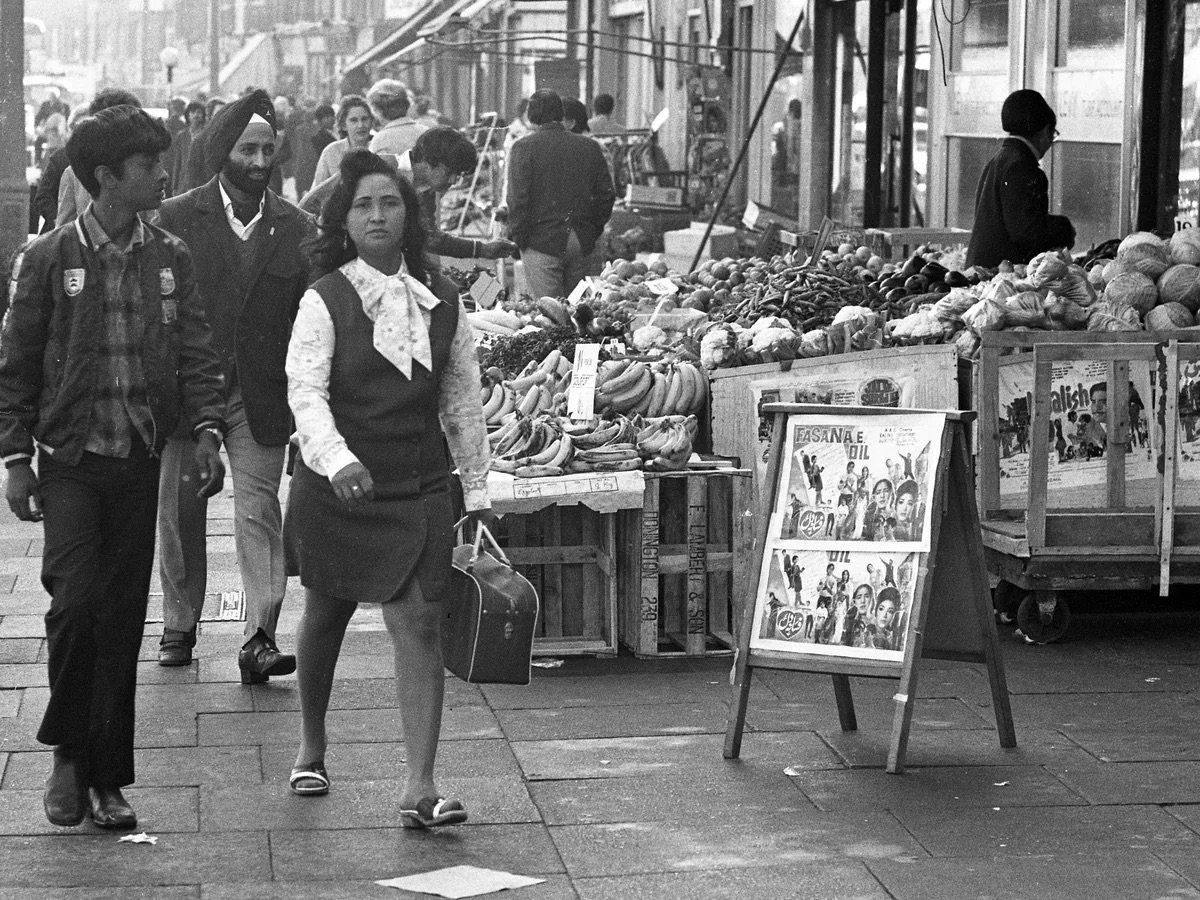
Postwar migration from India, Pakistan, and later Bangladesh added new layers to local
trade, family life, and worship. Shops, tailoring, restaurants, convenience retail,
and faith institutions made South Asian presence part of the neighbourhood's everyday
economy rather than a separate enclave.
This wave includes Sikh, Muslim, Hindu, and later Bangladeshi histories, which is why
it is presented here as a broad postwar South Asian story rather than a single
national narrative.
1970s-1990s onward
Refuge, Faith & New Diasporas
From the 1970s onward, North Kensington absorbed new refugee and diaspora histories without
losing its street-based character. Golborne Road, local mosques, bakeries, cafés, and
migrant support organisations became especially important during this period.
1970s onward
Turkish & Cypriot Communities
North Kensington's Turkish and Cypriot histories became more visible in the later
twentieth century through family migration, cafés, shops, and neighbourhood
networks. Some Cypriot arrivals were shaped by political upheaval and displacement,
while others arrived through longer labour and kinship routes into London.
This story sits within a wider refugee-era reshaping of the area, where community life
was built through small business, mutual support, and everyday presence on the high
street.
1970s onward
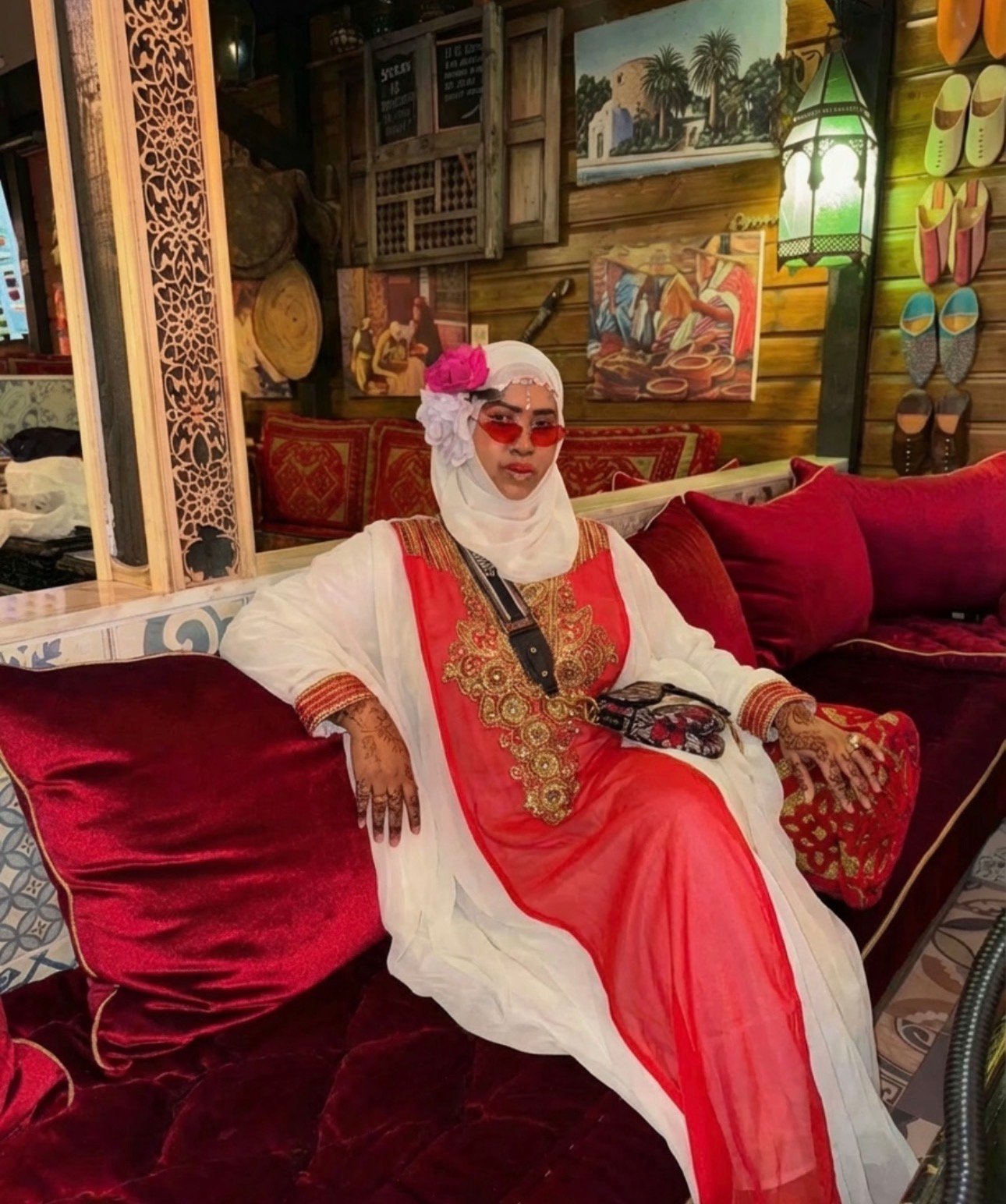
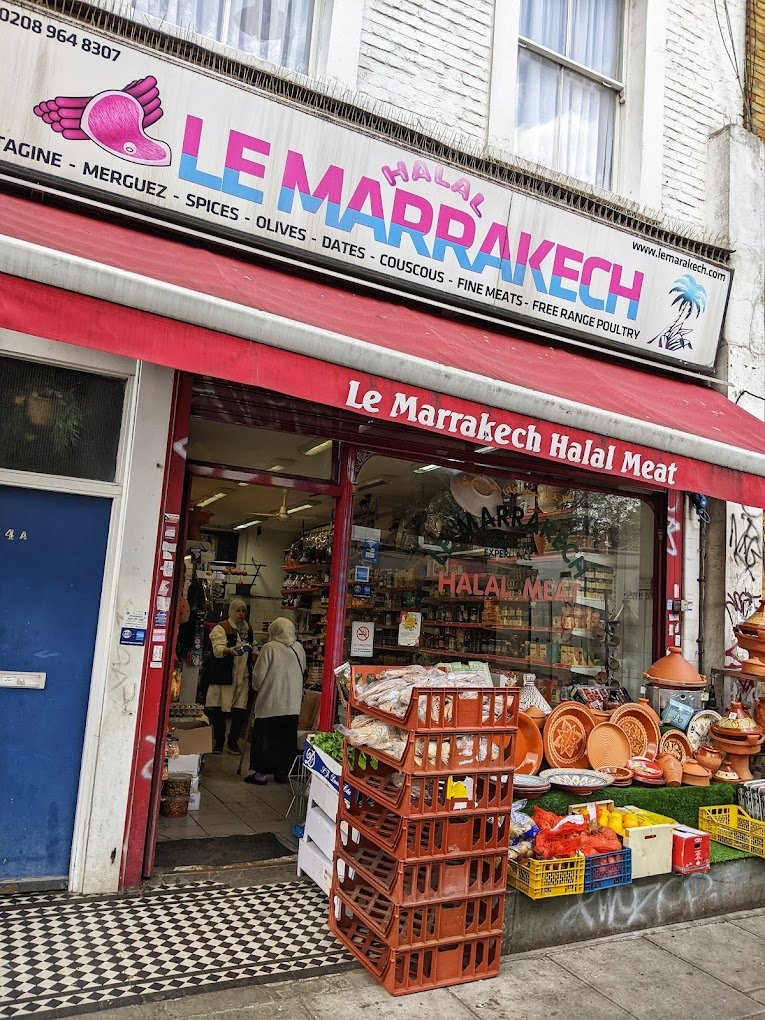
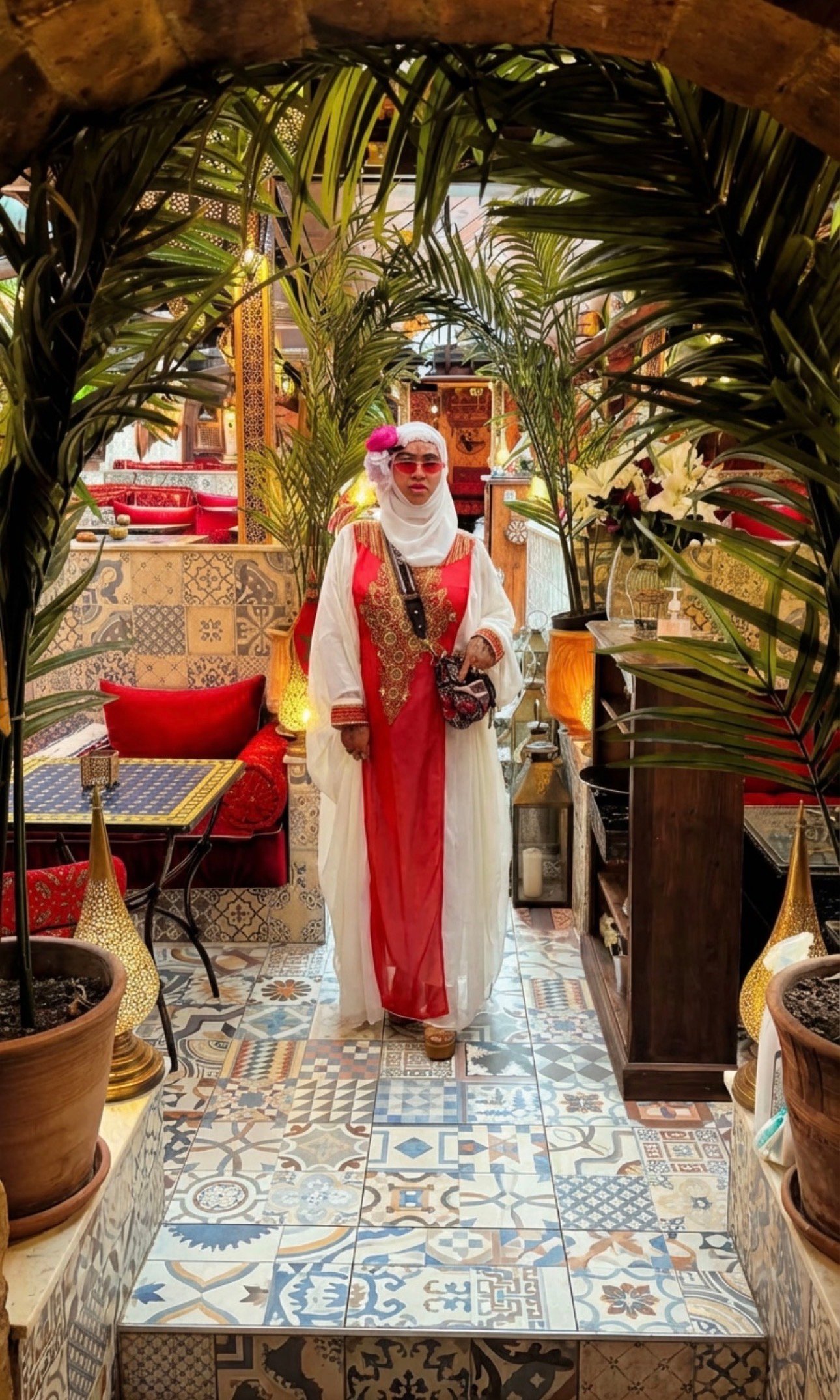
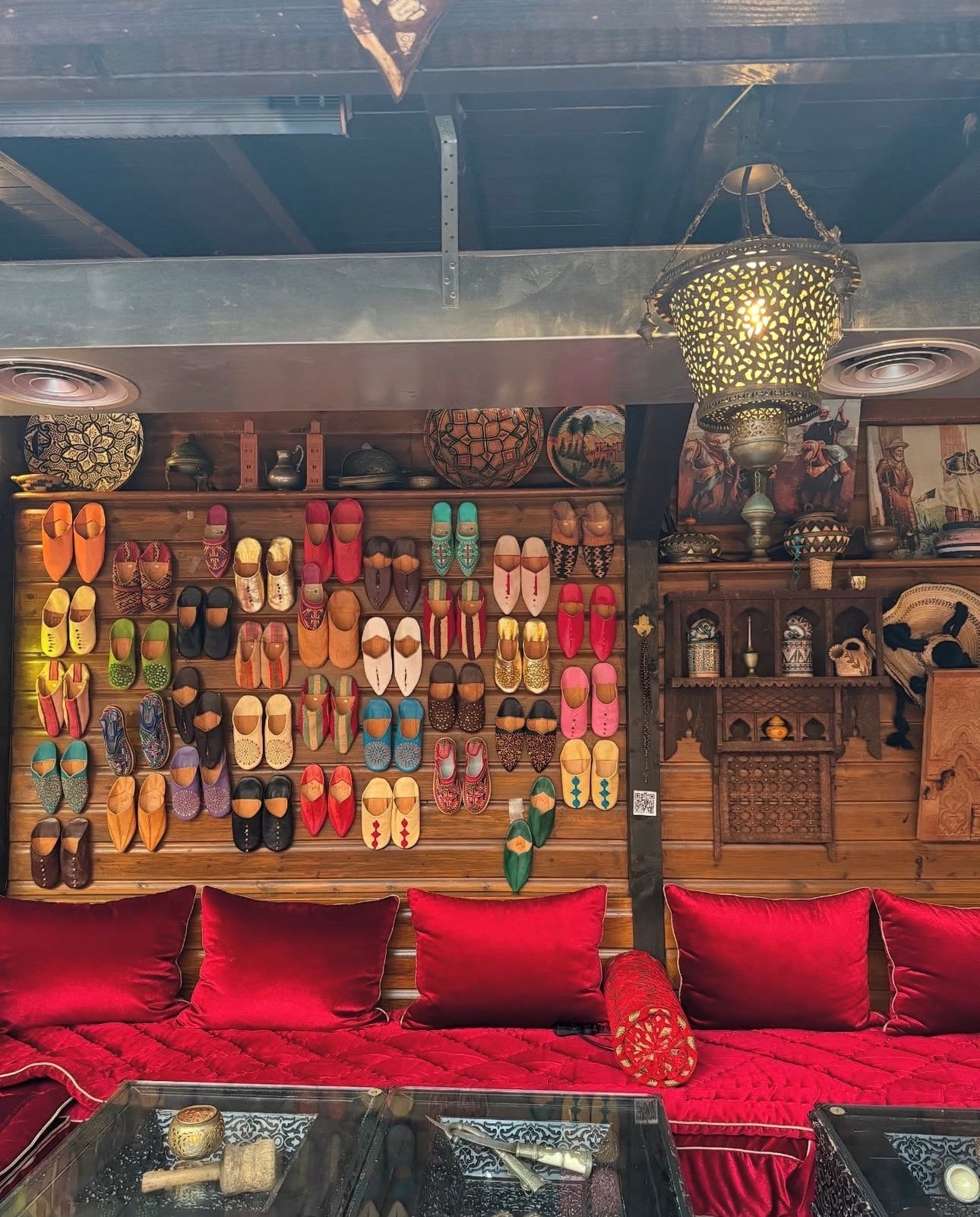
Moroccan Communities
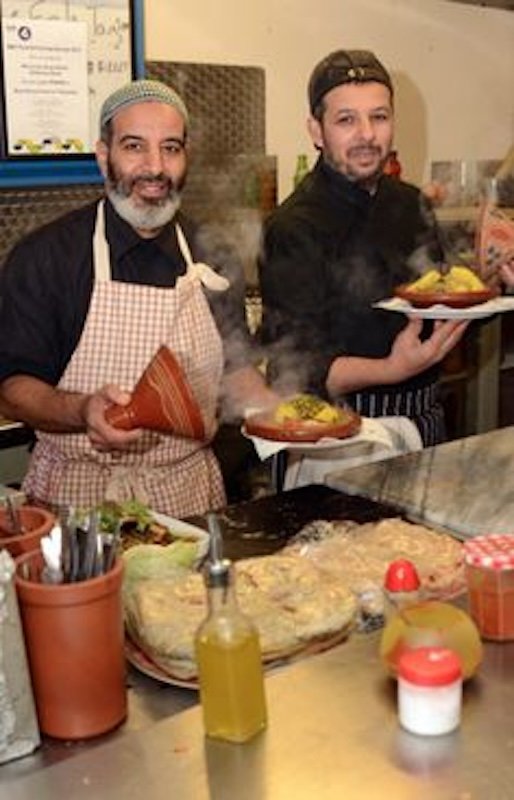
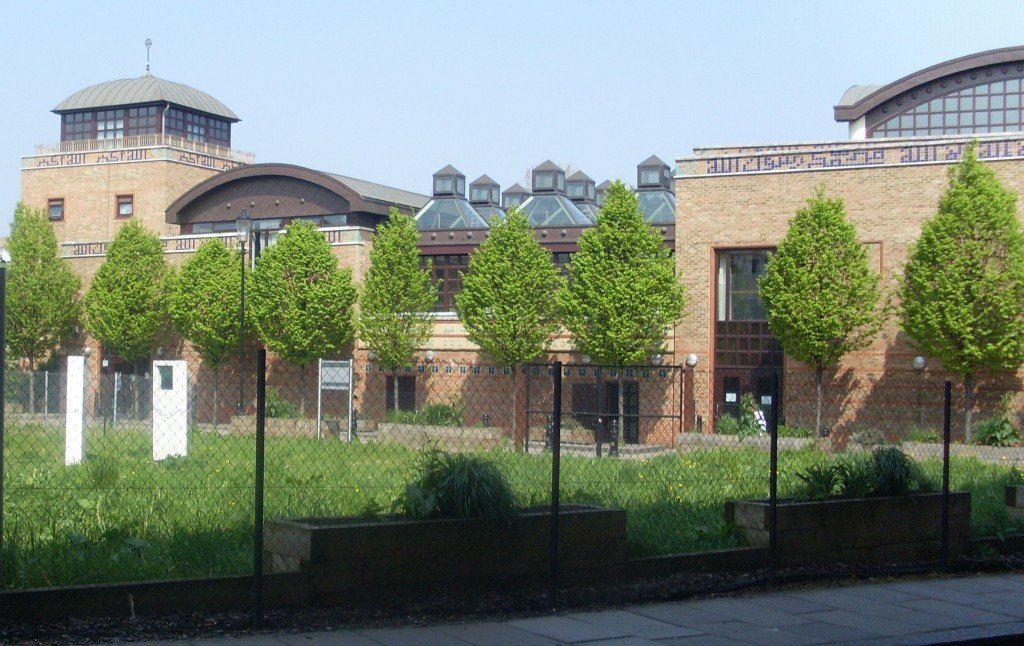
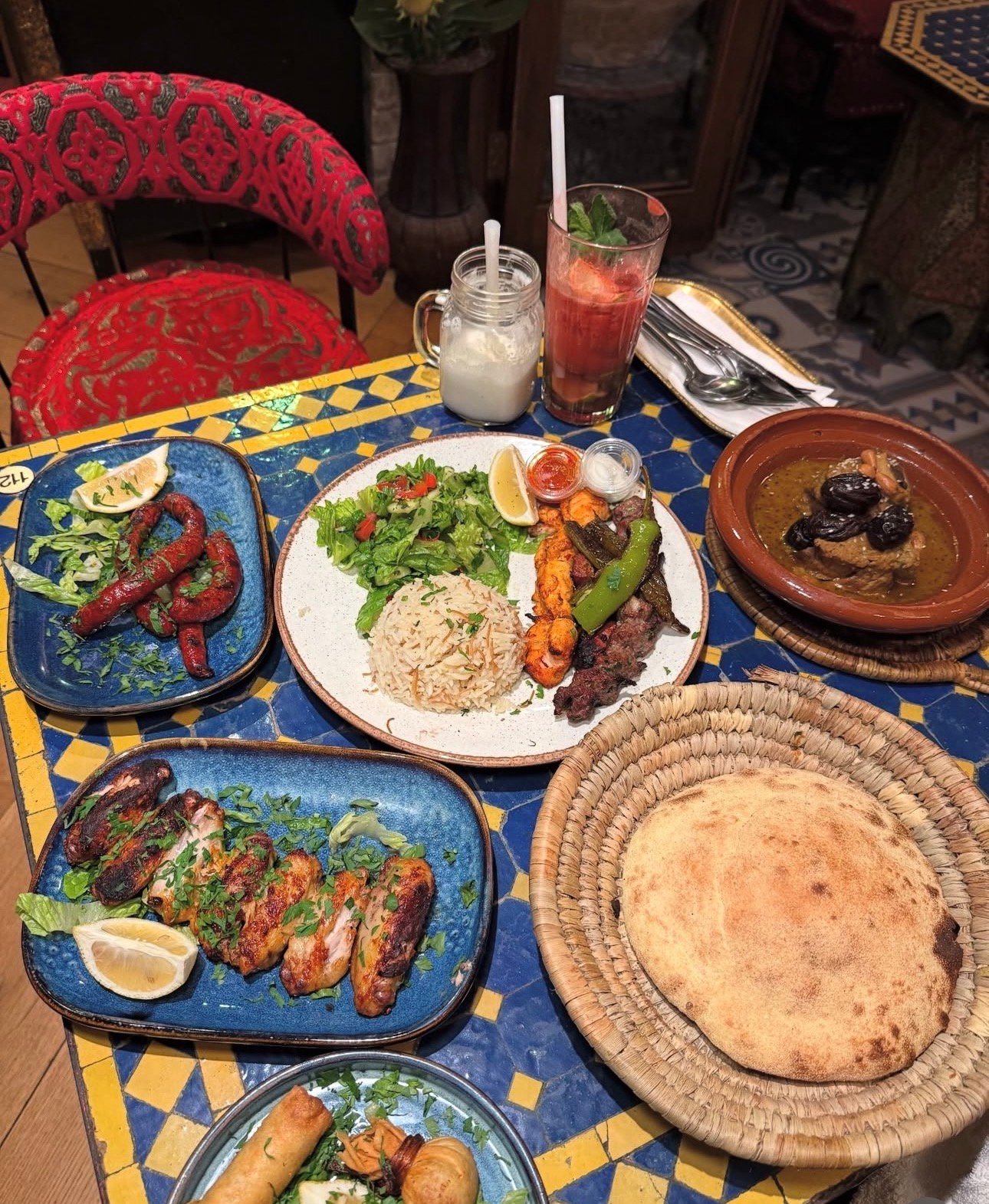
By the later twentieth century, Golborne Road was widely associated with Moroccan local
life. Food stalls, cafés, bakeries, community groups, and family businesses helped
make Moroccan North Kensington one of the most visible strands in the area's street
culture.
Placed here as its own panel, Moroccan history no longer disappears inside a wider
regional label and can be understood as a major part of how contemporary Golborne was
made.
1980s onward
Wider Middle Eastern Communities
Wider Arabic-speaking and Middle Eastern communities deepened North Kensington's
multi-faith and multilingual character through mosques, mutual aid, shops, and
community services. The strongest local pattern is not one nationality but the growth
of shared institutions.
Presented broadly, this panel reflects overlapping local histories rather than forcing a
misleading single-community story onto a diverse set of arrivals.
1980s onward
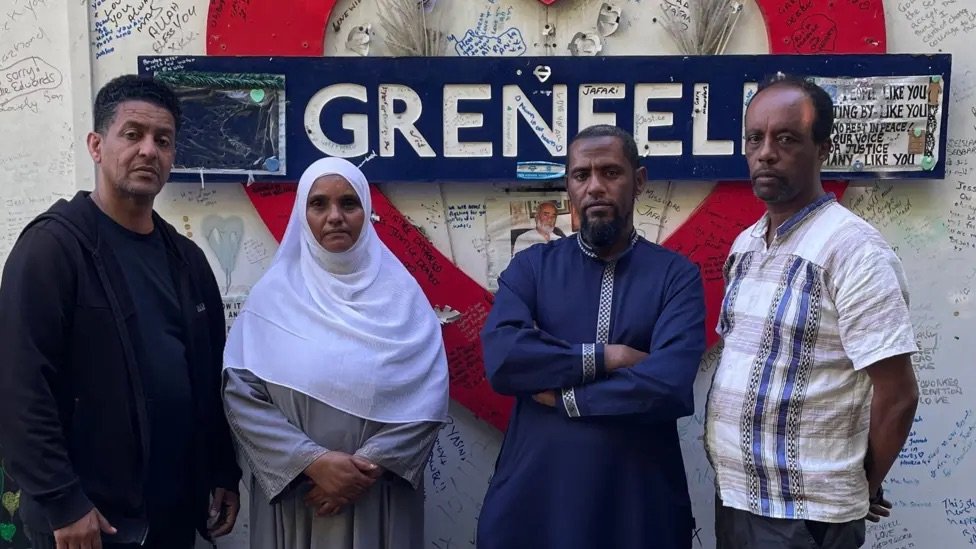
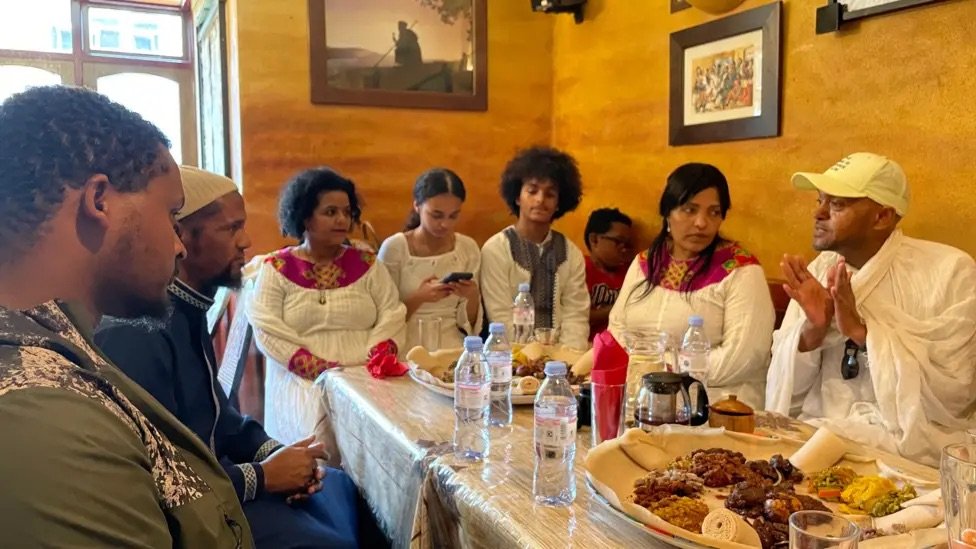
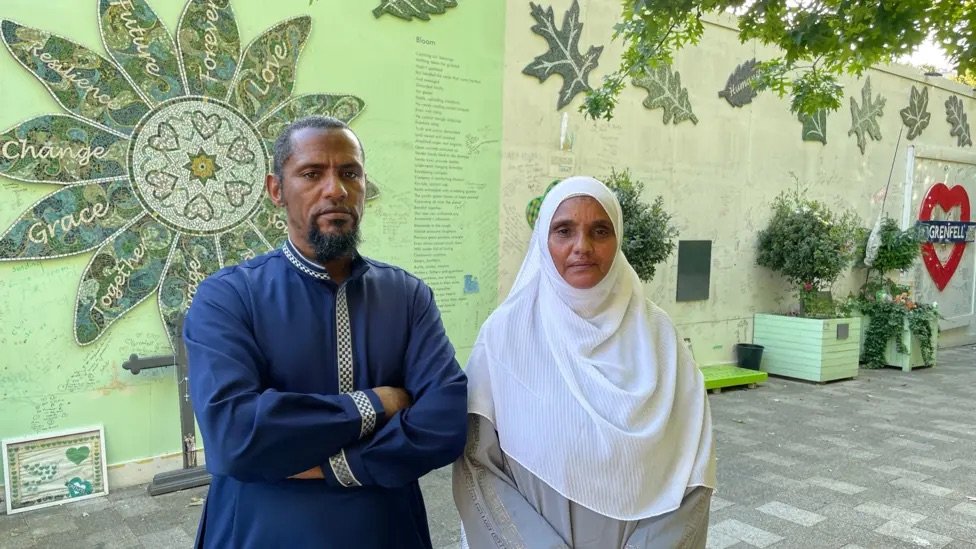
Horn of Africa Communities
Eritrean, Ethiopian, Somali, and Sudanese residents became a meaningful part of North
Kensington's later refugee and migrant-organising history. Local accounts repeatedly
name these communities among those who made homes here and built collective responses
to exclusion, survival, and injustice.
This is not just a Grenfell-era footnote. It belongs to the longer local history of how
North Kensington communities organise under pressure and build solidarity across
difference.
1980s/1990s onward
European Reshaping & Contemporary Golborne
North Kensington's more recent European histories are not one single chapter. Portuguese
settlement helped shape contemporary Golborne over decades, while later Eastern European
arrivals added a newer layer to the area's multilingual working life.
postwar roots, 1970s onward visibility
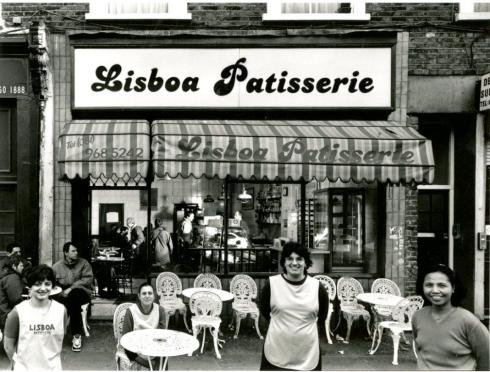
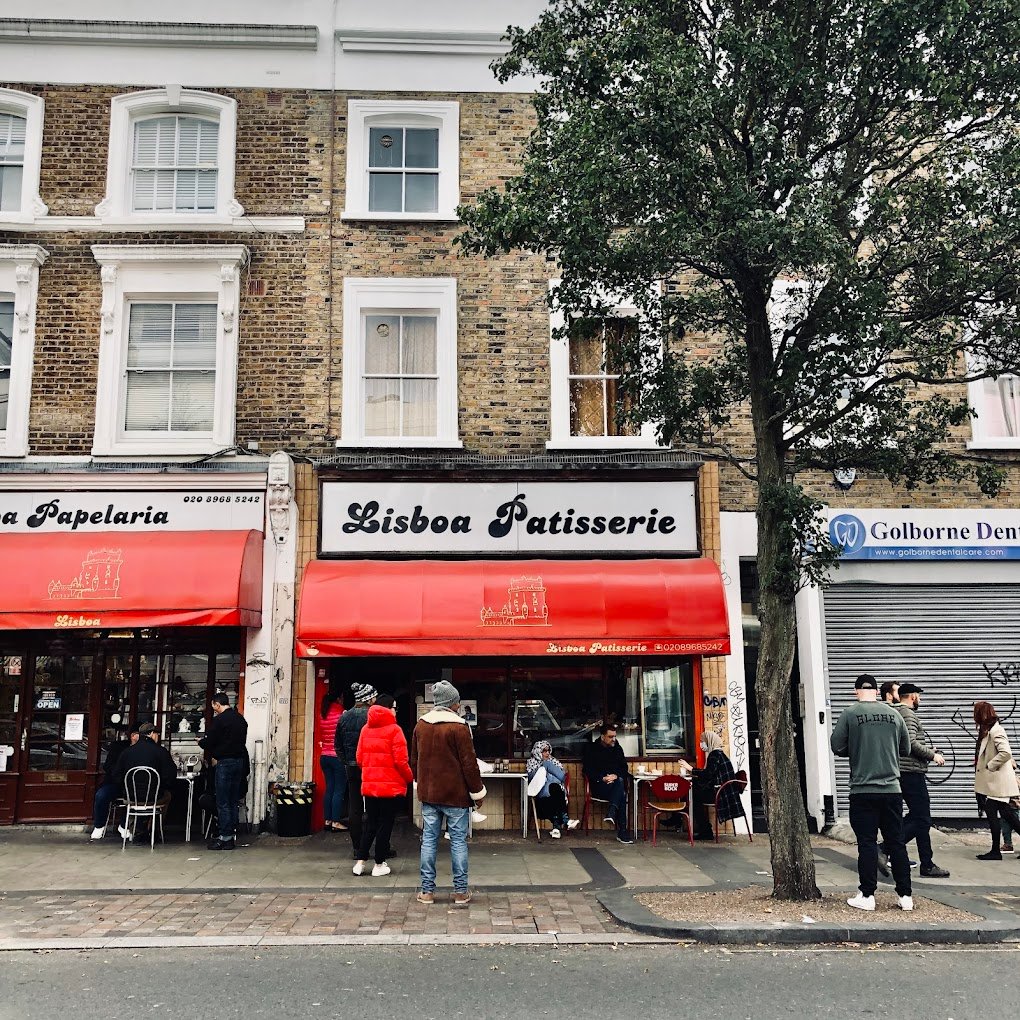
Portuguese Communities
Portuguese settlement became one of the defining stories of Golborne Road after the
Second World War and especially in the later twentieth century. Cafés, bakeries,
groceries, and family-run businesses helped make Portuguese presence part of the
local high street's everyday rhythm.
Keeping this as a separate panel makes clear that Portuguese history is not simply a
prelude to later European arrivals. It has its own depth in the making of
contemporary Golborne.
2000s onward
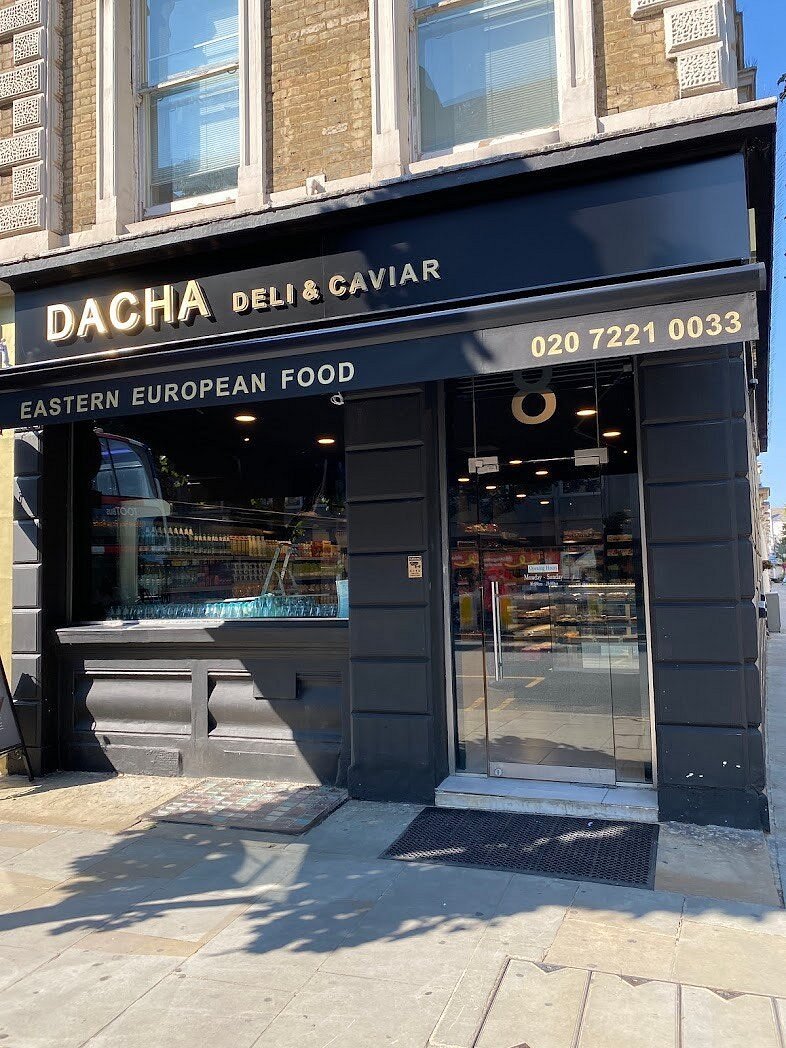
Eastern European Communities
Later arrivals from Poland, Romania, and elsewhere in Eastern Europe added another
layer to North Kensington's long history as a place of arrival. Their presence is
visible in local labour markets, schools, translation needs, and everyday street
multilingualism.
Placed in its own panel, this story is no longer folded into a generic European block.
It represents a distinct phase in the area's continuing adaptation and renewal.
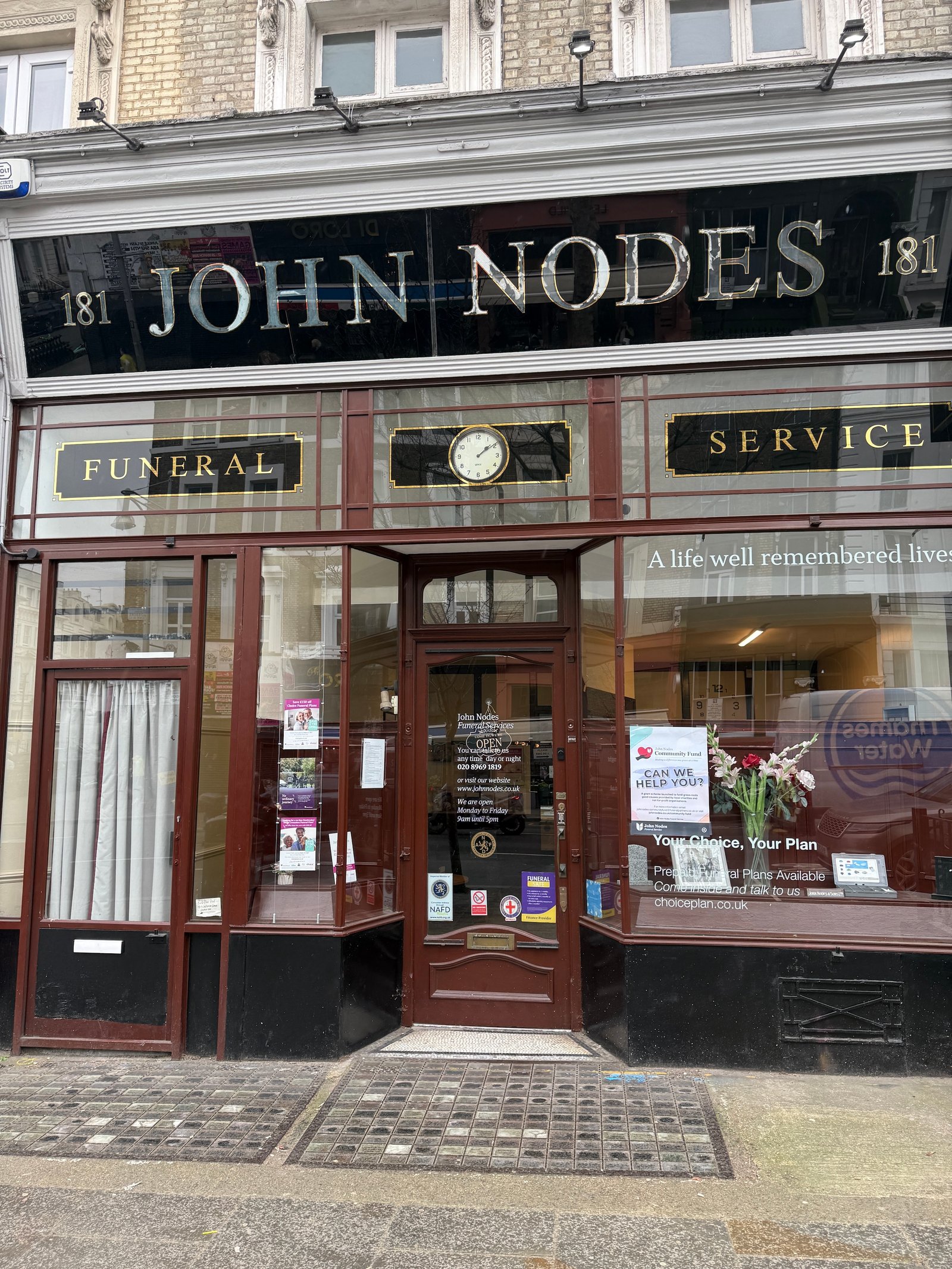
John Nodes Funeral Service
John Nodes Funeral Service traces its roots to 1828 and has long
been part of North Kensington's public life. By 1914, trade directories already listed 181
Ladbroke Grove as the firm's head office.
The Ladbroke Grove premises sit close to Portobello Road, Notting Hill and Kensal Rise. The
building was previously a haberdashery before becoming the funeral home.
Later company histories and funeral trade reports also say that a later John Nodes, usually
identified as John Nodes IV, handled the funeral of Prince Louis Napoleon, the Prince
Imperial.
Today the branch serves religious and non-religious funerals, including Christian,
Buddhist, Humanist, Hindu, Jewish and Greek Orthodox services, reflecting the religious and
cultural range of the wider North Kensington community.
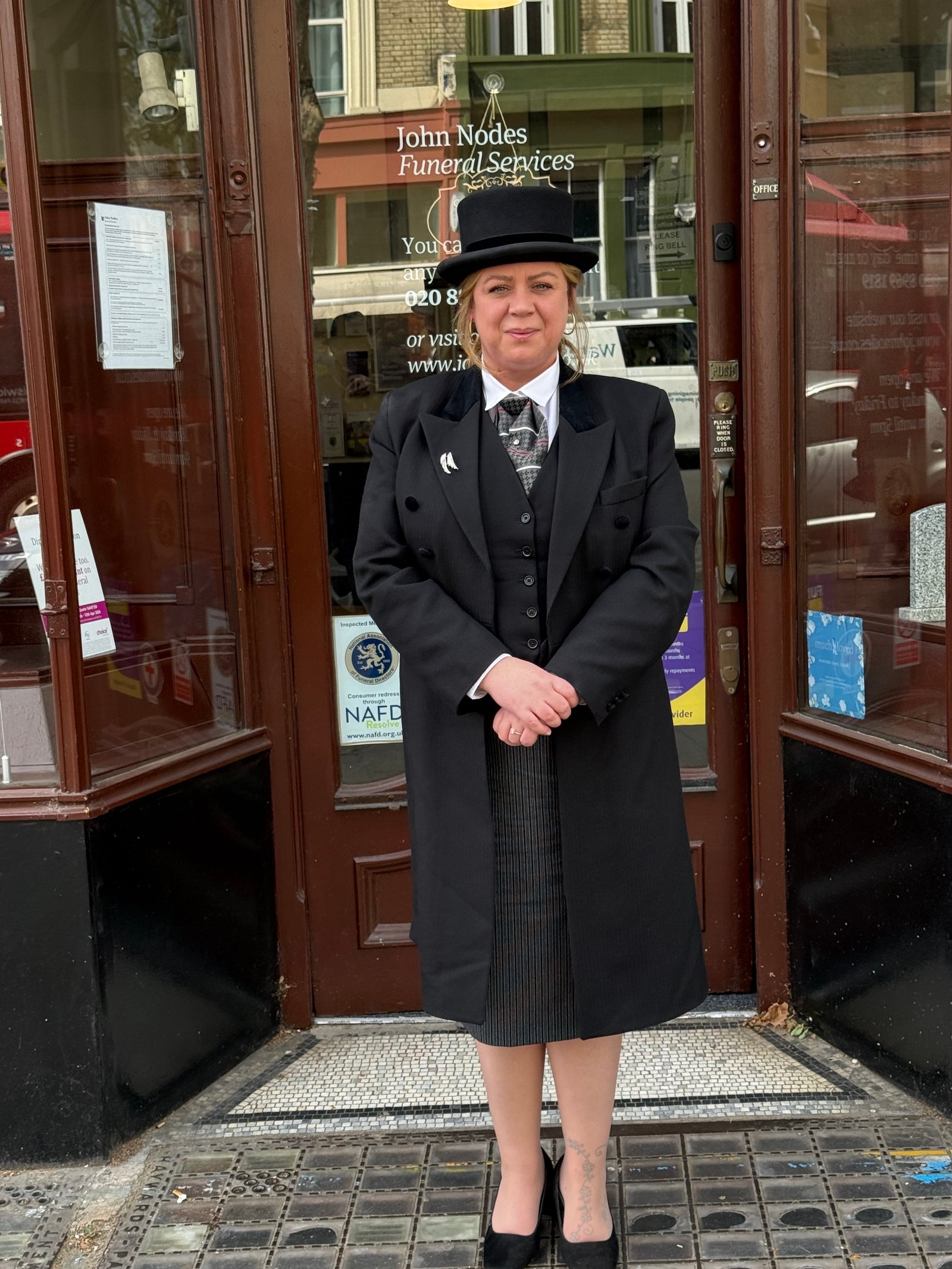
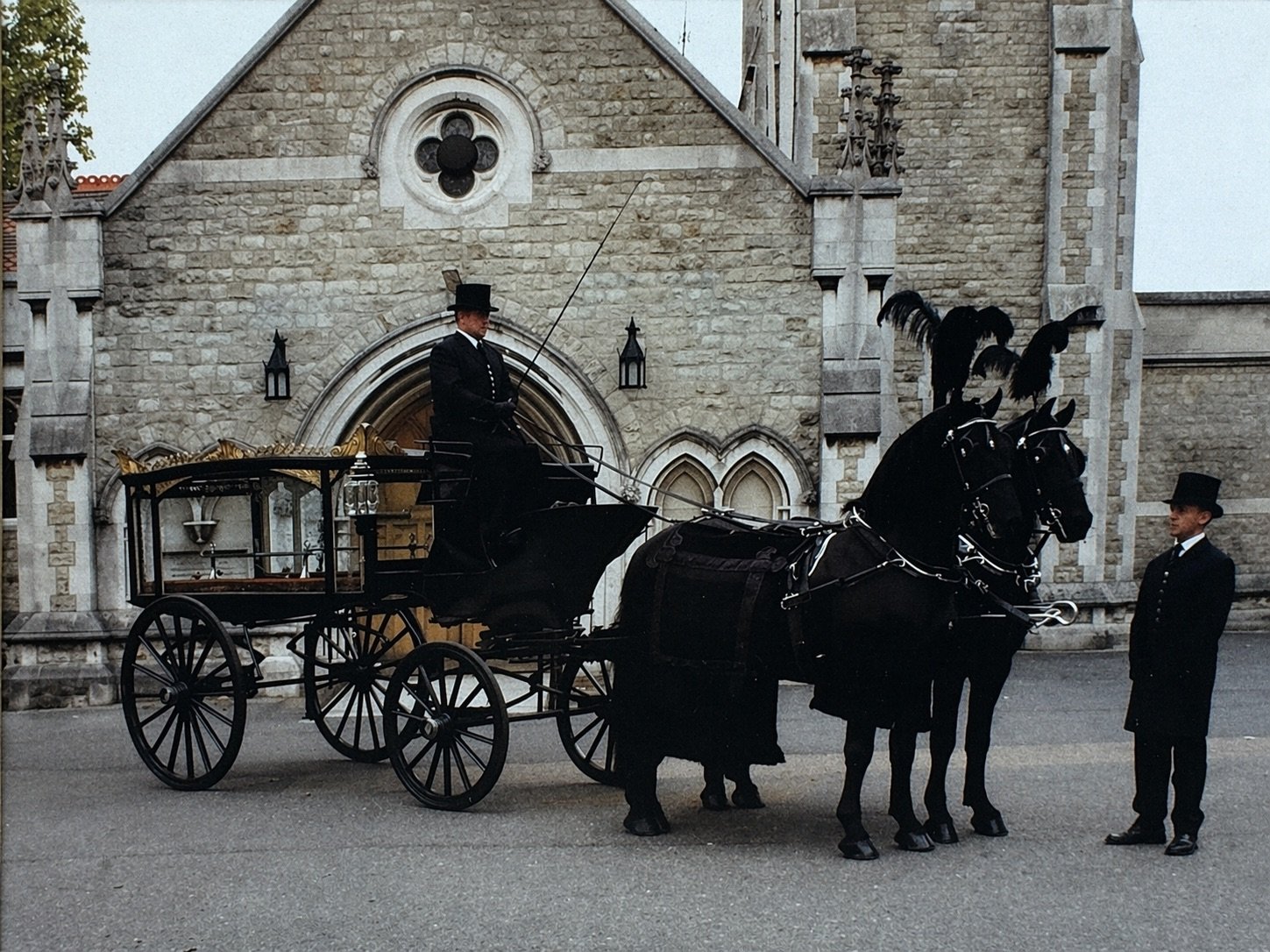
Ladbroke Grove branchUndertaker outside Ladbroke Grove
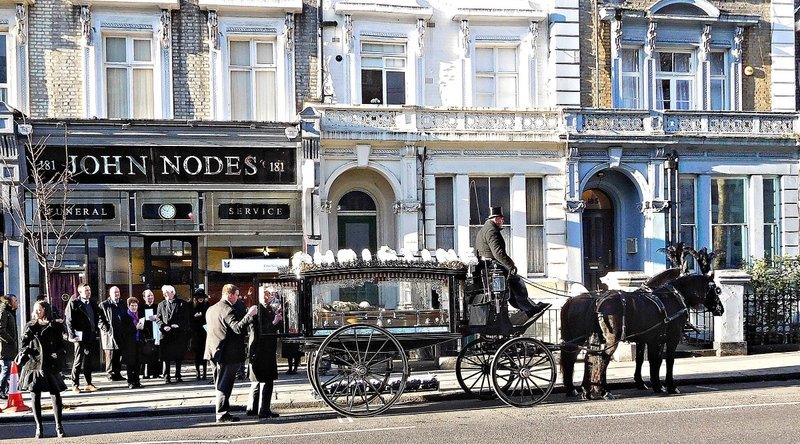
branchHorse-drawn hearse outside John
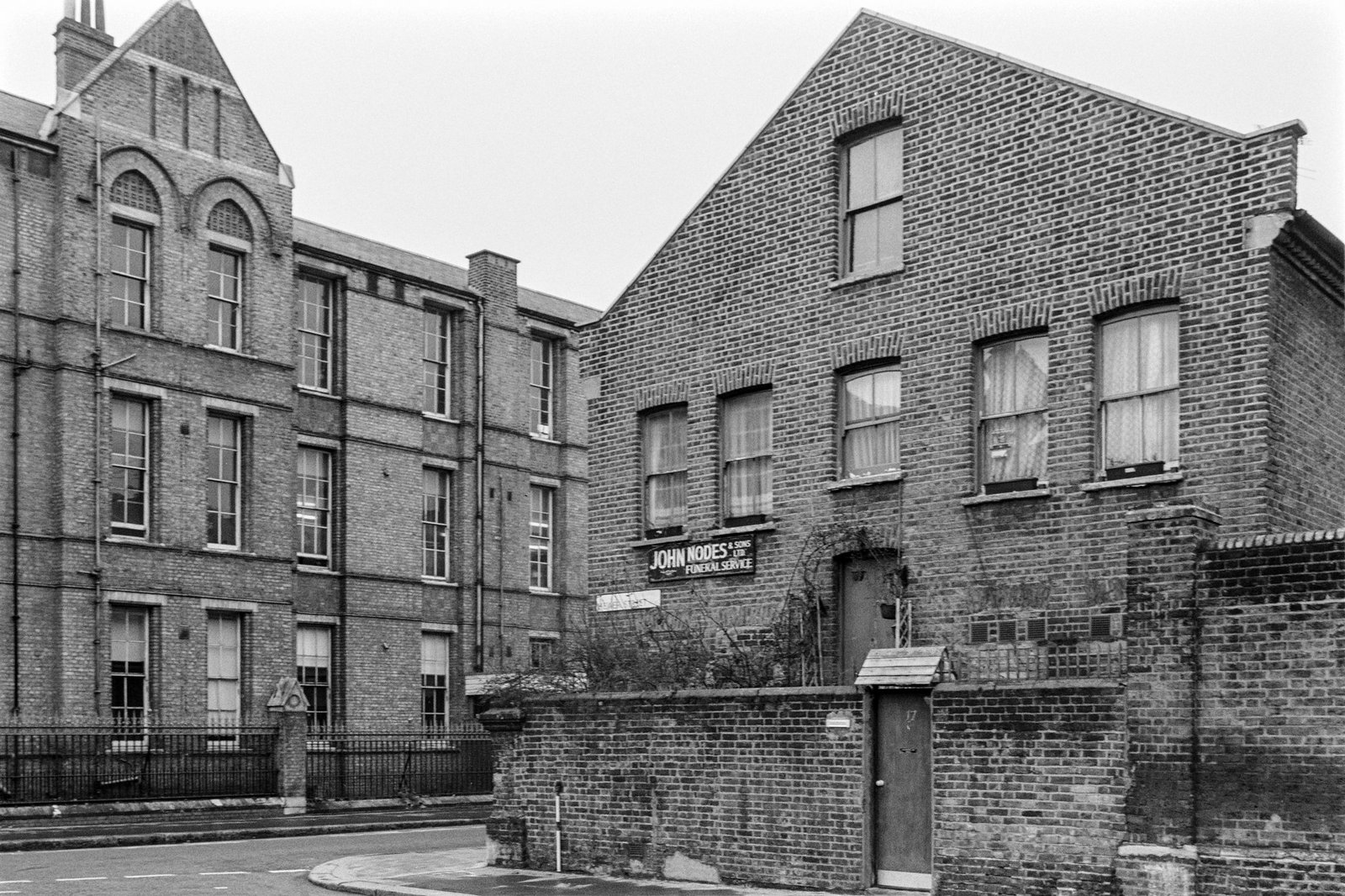
Nodes15-17 Hewer StreetHorse-drawn hearse
Community presence and support
The Ladbroke Grove branch has used its shopfront to reflect local life, from Notting Hill
Carnival displays on the procession route to Local and Community History Month displays
built around historic photographs of North Kensington.
After the Grenfell Tower fire, John Nodes supported bereaved families, arranged eight
funerals for victims of the disaster, accepted donations for affected families, and later
took part in memorial services at St Paul's Cathedral and St Francis of Assisi Church.
Their role in the aftermath went beyond arranging services alone, with the Ladbroke Grove
branch becoming part of the wider support network around bereaved North Kensington
families.
In 2026 the John Nodes Community Fund is offering £4,000 across two application cycles to
community-based charity projects within three miles of its branches, with funding focused on
health, education, employment opportunities, and poverty or social deprivation.
By 1914, John Nodes operated from a head office at 181 Ladbroke Grove, with an office and
factory in Westbourne Grove and a carriage department in Hewer Street, reflecting the scale
of its North Kensington funeral business.
The business was also part of local civic life. John Nodes had served for many years on the
Kensington Vestry and Borough Council, and H Kirtley Nodes was a member of the British
Embalmers Society.
Members of the Nodes family later held leadership roles within the London Association of
Funeral Directors, and W Oliver Nodes helped shape the formation of the British Institute
of Embalmers in the 1920s.
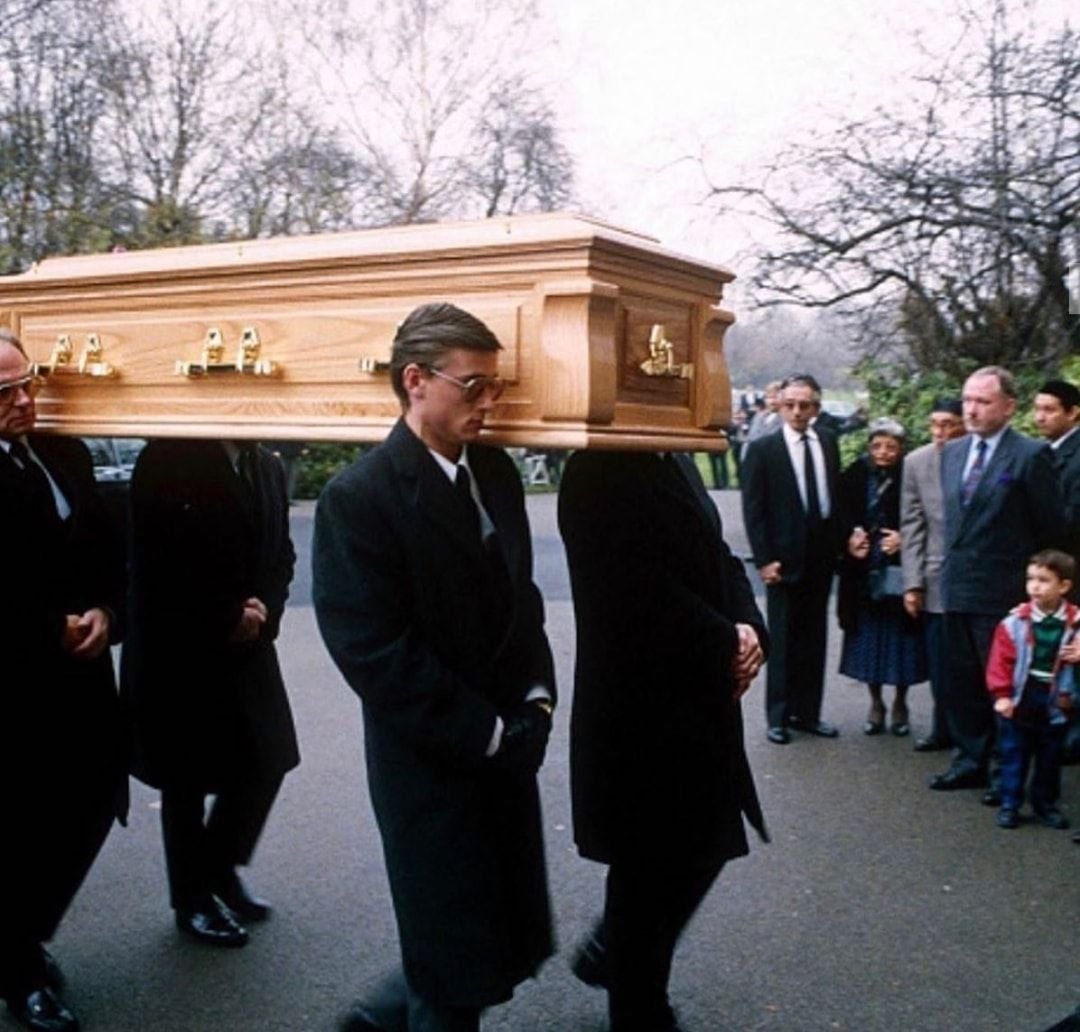
Freddie Mercury’s Funeral, 1991
Freddie Mercury’s funeral, 27 November 1991.
Freddie Mercury died at Garden Lodge, Kensington, on Sunday 24 November 1991. That
evening, after family and close friends had paid their respects, arrangements were made
for his body to be removed from the house.
Because of the press attention outside Garden Lodge, Freddie’s body was removed
discreetly shortly after midnight in an anonymous vehicle.
Accounts by people close to Freddie say that Peter Freestone, known as Phoebe, contacted his
father, Leslie Freestone, who had worked in the funeral trade. The funeral arrangements were
handled through John Nodes in Ladbroke Grove. Jim Hutton later wrote that Freddie’s friends
did not want him removed in the usual way. They asked for him to leave Garden Lodge in a
proper oak coffin. His body was then taken to a chapel of rest in Ladbroke Grove.
On Wednesday 27 November 1991, the first part of the funeral took place at John Nodes &
Son in Ladbroke Grove. Freddie’s family and two Zoroastrian priests gathered there early in
the morning for the religious observances.
The funeral then continued to West London Crematorium on
Harrow Road, Kensal Green.
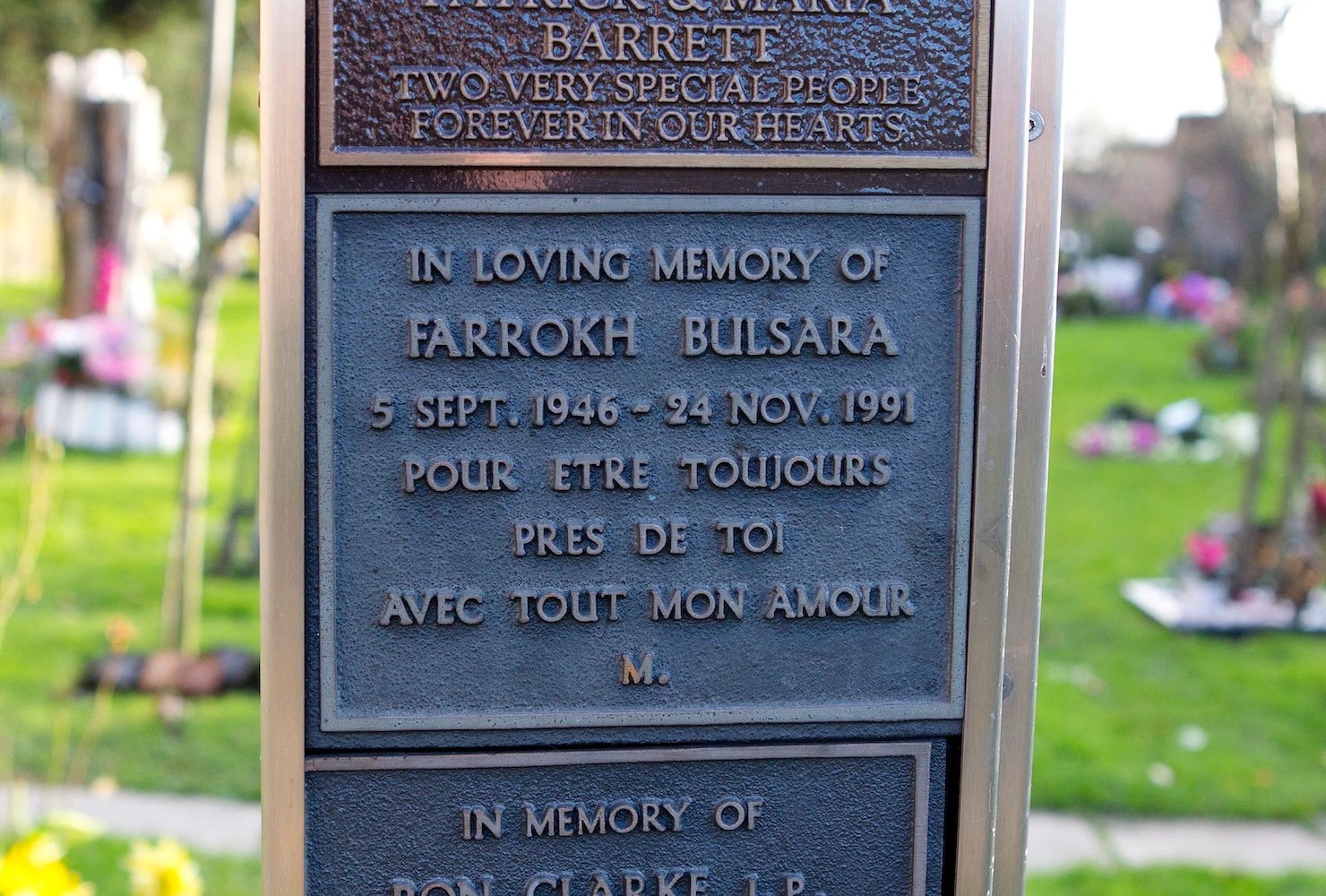
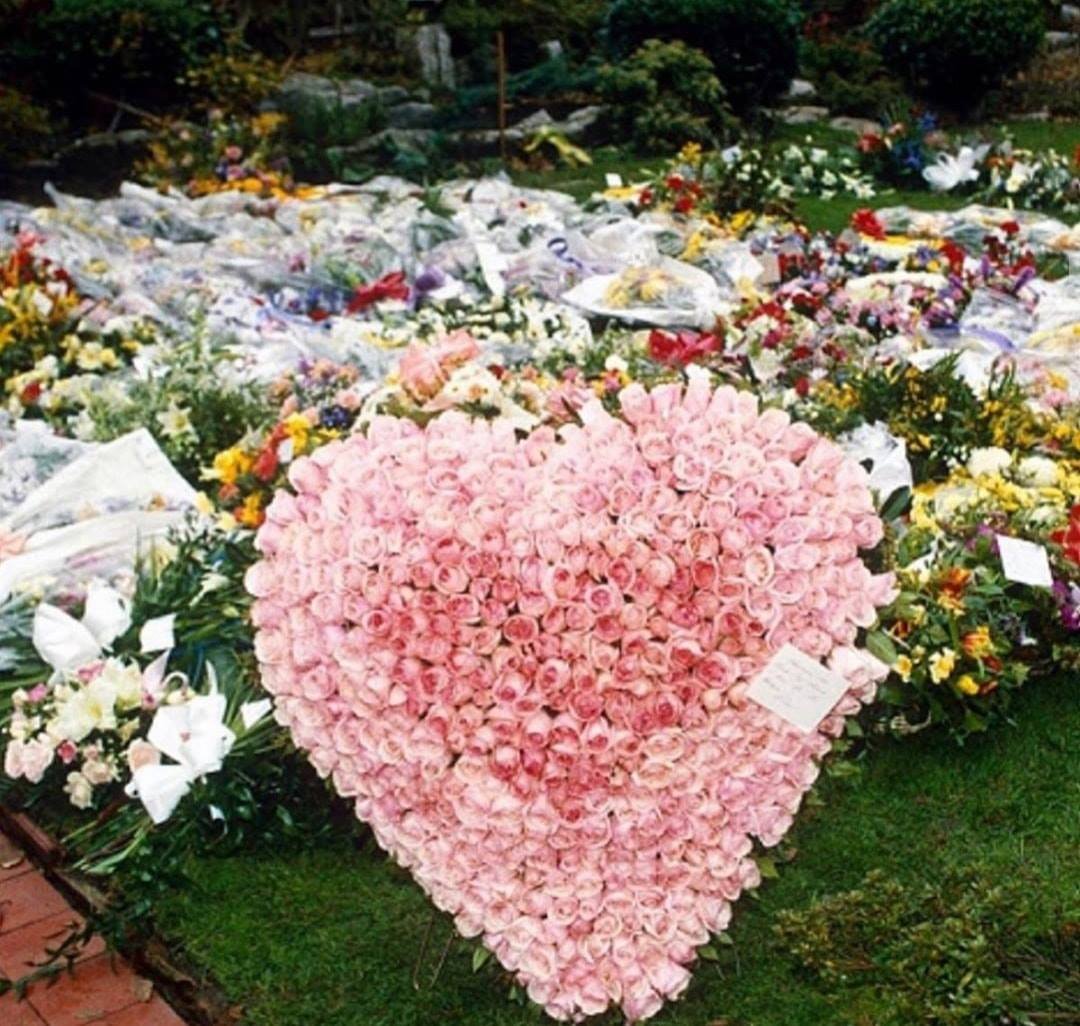
Freddie Mercury's plaque - Kensal Green CemeteryFlowers at Freddie Mercury's Funeral
Around thirty mourners attended the crematorium service, including Freddie’s Queen bandmates
Brian May, Roger Taylor and John Deacon, along with Mary Austin, Jim Hutton, Peter
Freestone, Joe Fanelli, Dave Clark and Elton John. Police kept photographers and reporters
behind barriers across the road.
The service reflected Freddie’s family background. He was born Farrokh Bulsara into a Parsi
family, and the funeral followed Zoroastrian rites. Music was also used during the service.
Reports say the coffin entered to Aretha Franklin singing “Precious Lord, Take My Hand” and
“You’ve Got a Friend”, and the service ended with Montserrat Caballé singing an aria from
Verdi’s Il trovatore.
After the cremation, Freddie’s ashes were given to Mary Austin. Their final location has
never been publicly confirmed.
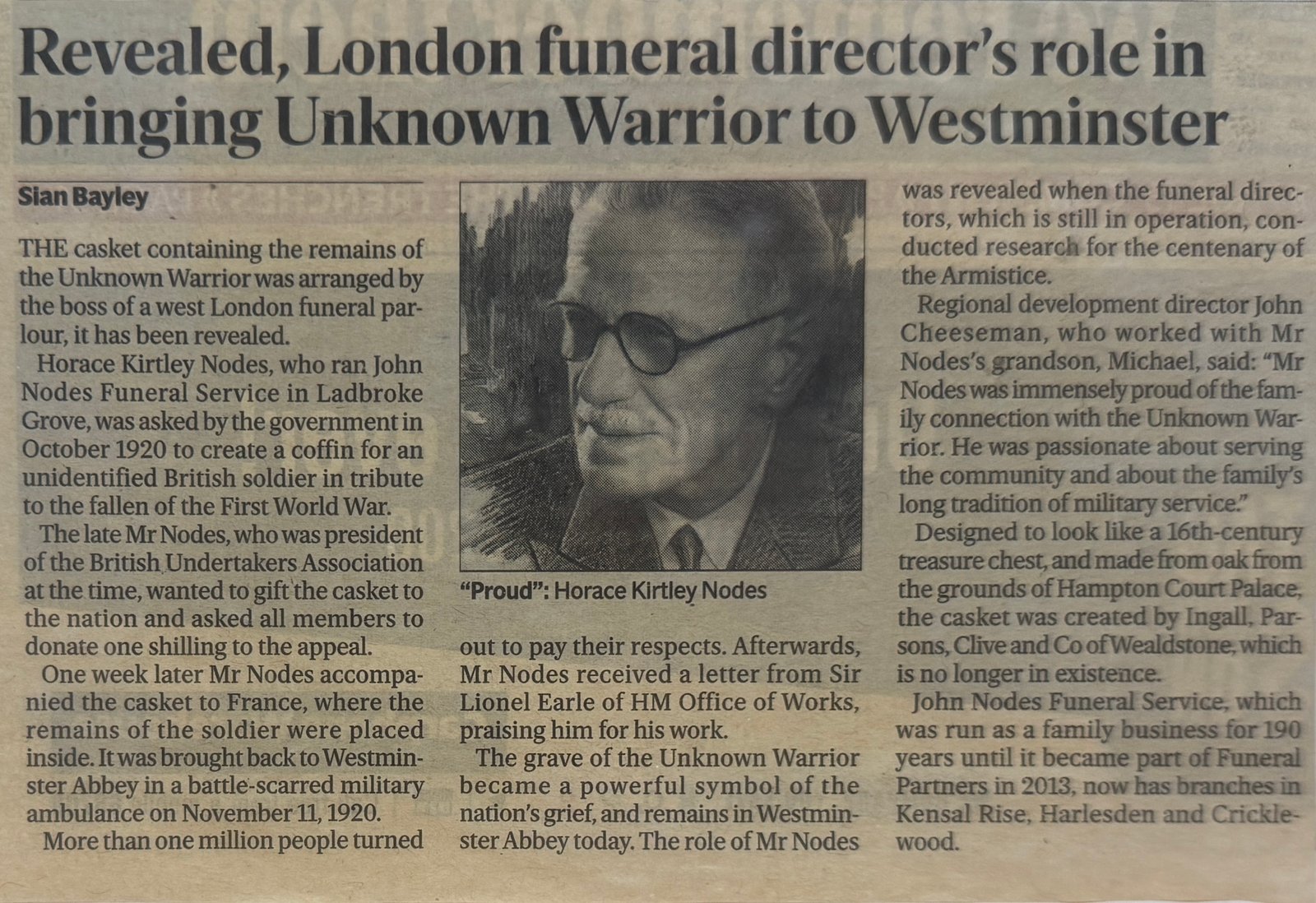
Newspaper report - Horace Kirtley
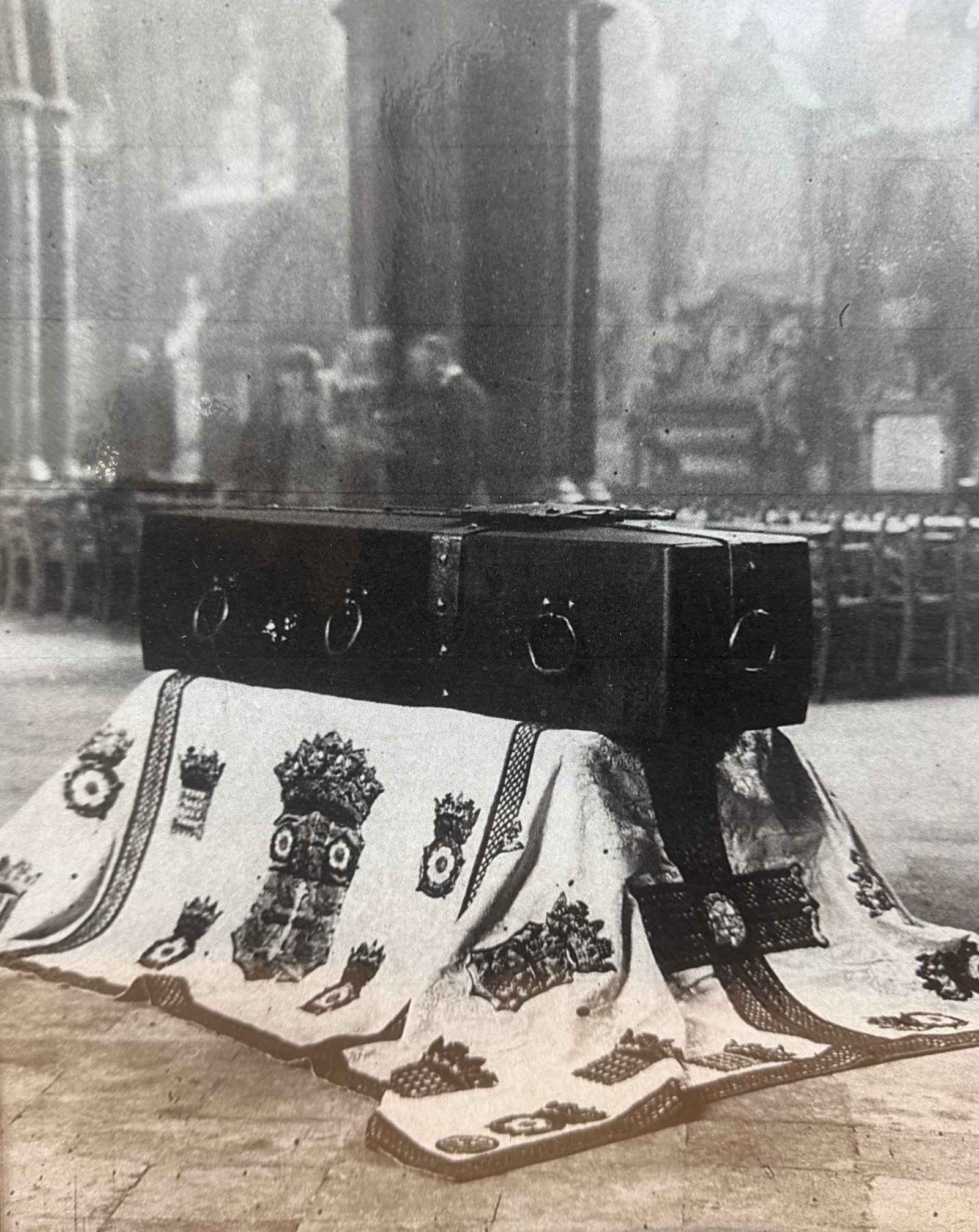
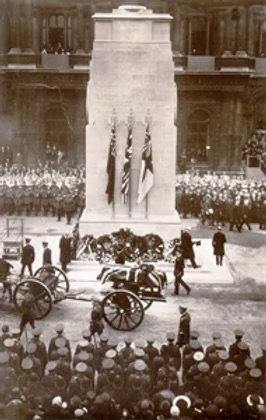
Nodes and the Unknown WarriorUnknown Warrior casketUnknown Warrior procession
John Nodes and the Unknown Warrior
In October 1920 the Ministry of Works asked the London Centre of the British Undertakers'
Association to help bring home the body of the Unknown Warrior. H Kirtley Nodes of John
Nodes in Ladbroke Grove was then president of the Association and, with the London
secretary the Revd John Sowerbutts, accompanied the coffin to and from France before the
burial at Westminster Abbey.
The coffin was presented to the nation by British Undertakers' Association members, who
each subscribed one shilling. Oak came from Hampton Court Palace. The inner coffin shell
was made by Ingall, Parsons & Clive Forward in north-west London, while the larger
coffin was supplied by Nodes & Son and constructed by John Nodes Funeral Service at
15-17 Hewer Street in North Kensington.
On 11 November 1920, as the gun carriage passed down Whitehall on the way to Westminster
Abbey, George V unveiled the newly completed Cenotaph.
Challenges
Social Tensions & Resilience
North Kensington's community story is not without struggle, including tensions shaped by inequality,
rising costs, and displacement pressures.
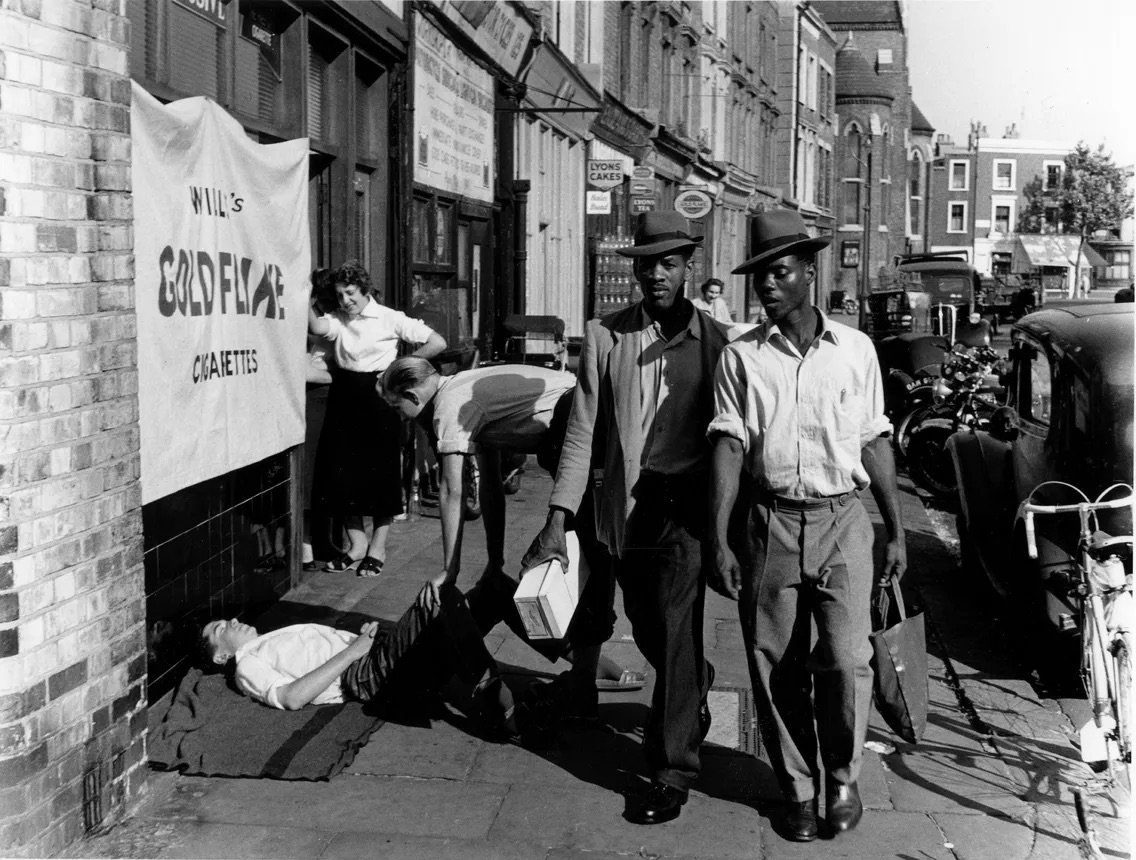
The late 1950s saw racist violence in Notting Hill, including attacks on Black residents.
The 1958 riots and the 1959 murder of Kelso Cochrane became defining
moments in local memory and exposed the depth of racial tension in the area.
These events also helped drive community organising, anti-racist activism, and cultural
responses that shaped North Kensington's public life in the decades that followed.
North Kensington's overcrowded and unequal housing conditions created opportunities for
exploitative landlords, and the area became closely associated with the term
"Rachmanism," linked to landlord Peter Rachman.
Housing exploitation affected many low-income and migrant tenants and became a major issue
in local politics, tenant organising, and debates about rights, regulation, and urban
inequality.
From the late 20th century onward, rising property values and commercial change altered
parts of North Kensington and Notting Hill. Long-standing residents and businesses have
faced growing pressure from high rents and changing development patterns.
This has created tensions over affordability, continuity, and who gets to remain in the
neighbourhood as its reputation and property values have grown. These pressures are often
experienced unequally between wealthier newcomers and long-established working-class
communities.
The Grenfell Tower fire in 2017 had a devastating impact on North Kensington and remains
central to the area's recent history. It exposed deep inequalities in housing, safety,
accountability, and public trust.
The aftermath also revealed the strength of local solidarity, as residents, volunteers,
and community organisations supported one another while demanding justice and change.
Living Heritage
North Kensington Today
🏠
Built Environment
From Victorian terraces to post-war estates and later redevelopment, North
Kensington's streets show how housing, class, and migration shaped the neighbourhood over time.
🤝
Community Organisations
Local organisations, including groups such as the Westway Trust and Venture
Community Association, continue to support residents through community spaces, services, and
local programmes.
🌍
Street Life & Markets
Golborne Road and Portobello Road remain everyday evidence of North
Kensington's layered history, where different communities have shaped local food, trade,
languages, and street culture.
North Kensington's strength has always been its people, arrivals from every corner of the world who
made this neighbourhood their own.