Music & Sound
Caribbean sound systems, West London punk, Basing Street Studios, and community venues make North Kensington a lasting part of London’s music history.
Music History Overview
A brief timeline of the page’s main themes
Wider London Context
Georgian London’s wider music culture forms part of the background to this story, long before North Kensington was fully urbanised.
Sound Systems Arrive
Caribbean communities in North Kensington established sound system culture in local halls, homes, and street celebrations from the 1950s onward.
Island Studios at Basing Street
A major recording studio at 8–10 Basing Street linked North Kensington to international recording history.
Punk and Cultural Crossovers
West London punk developed alongside reggae and sound system culture, with Ladbroke Grove and nearby streets shaping the local atmosphere.
New UK Scenes, Ongoing Influence
Later decades added new layers to the area’s musical life, with dub, jungle, garage, and grime all part of the wider West London soundscape. Local histories also associate the Ladbroke Grove area with Hawkwind’s early counterculture roots.
Sound System Culture
How Caribbean sound systems shaped local music culture
The Blueprint
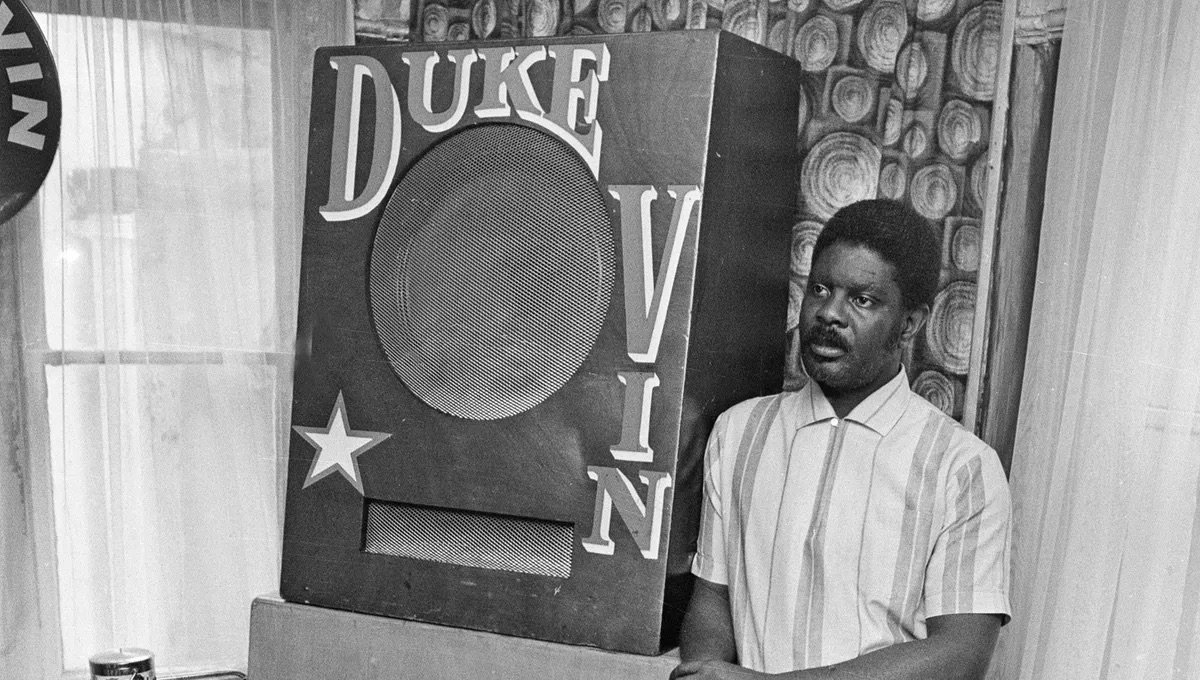
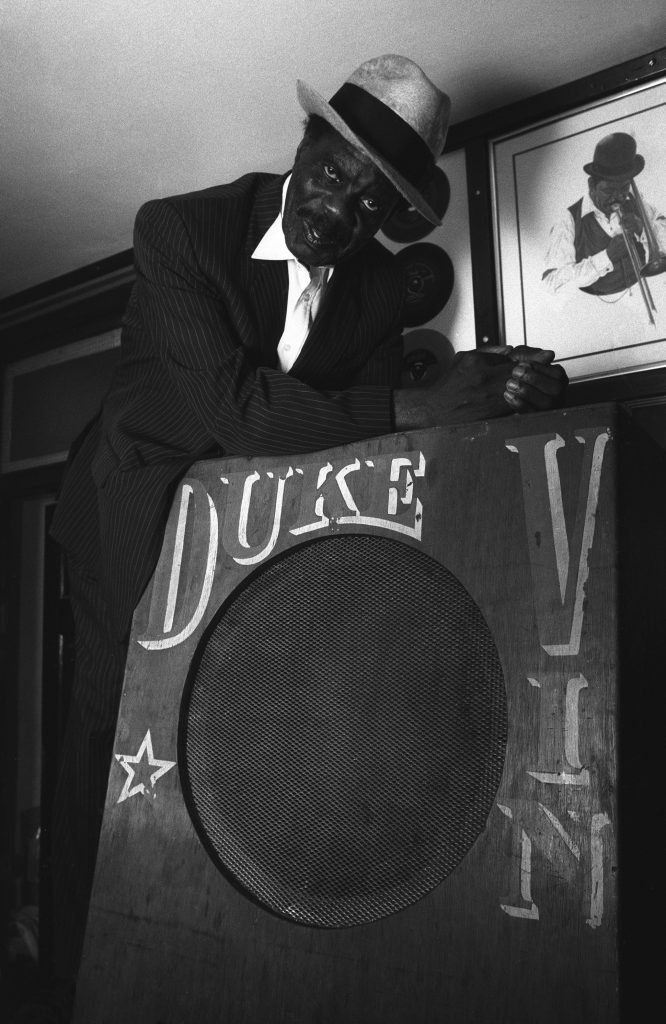
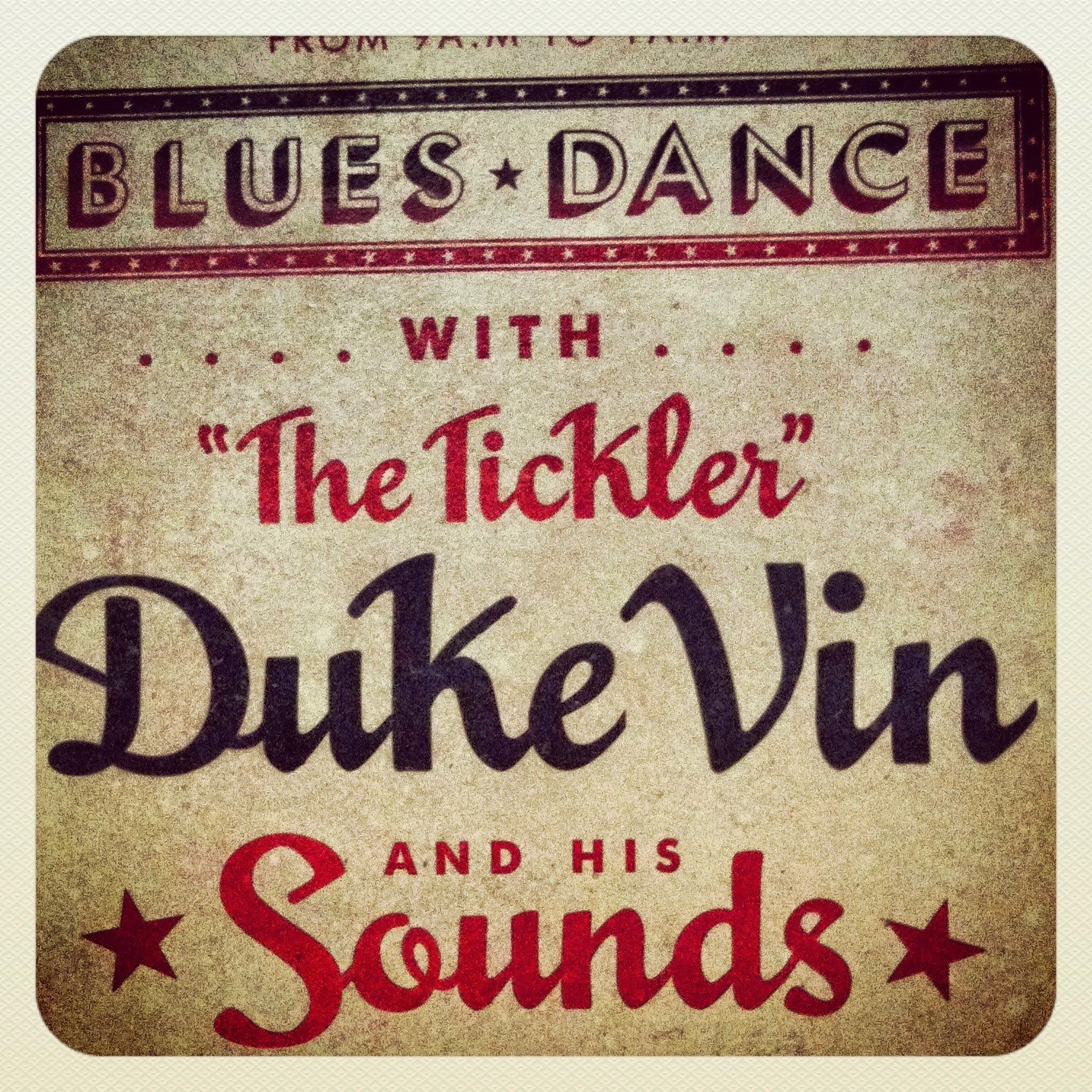
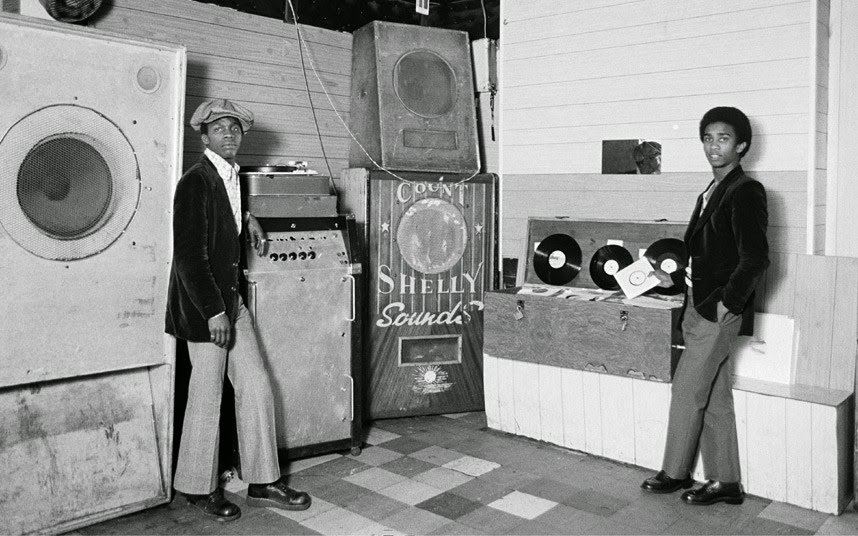
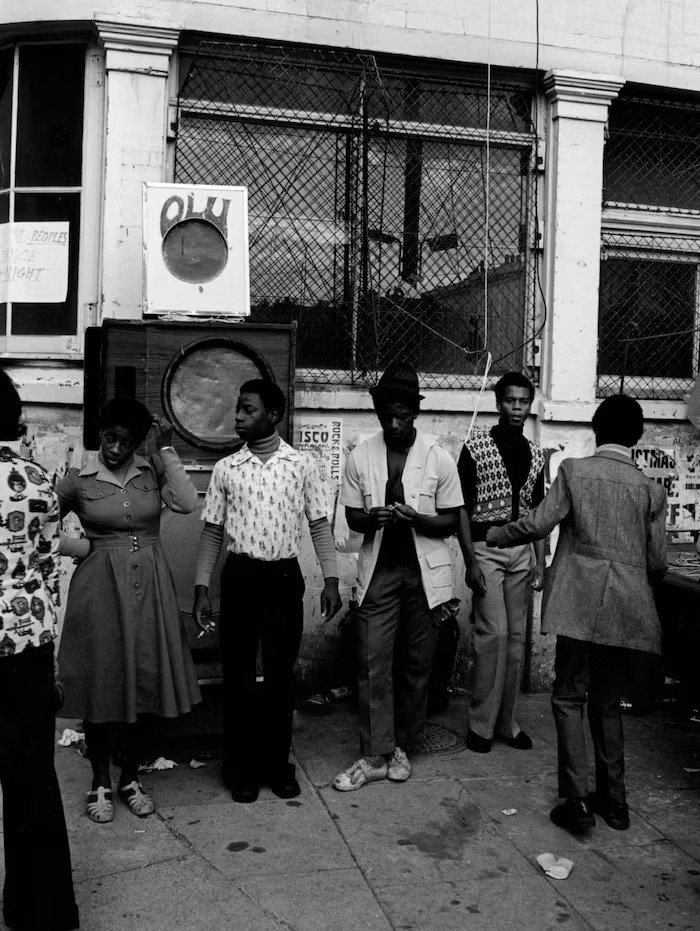
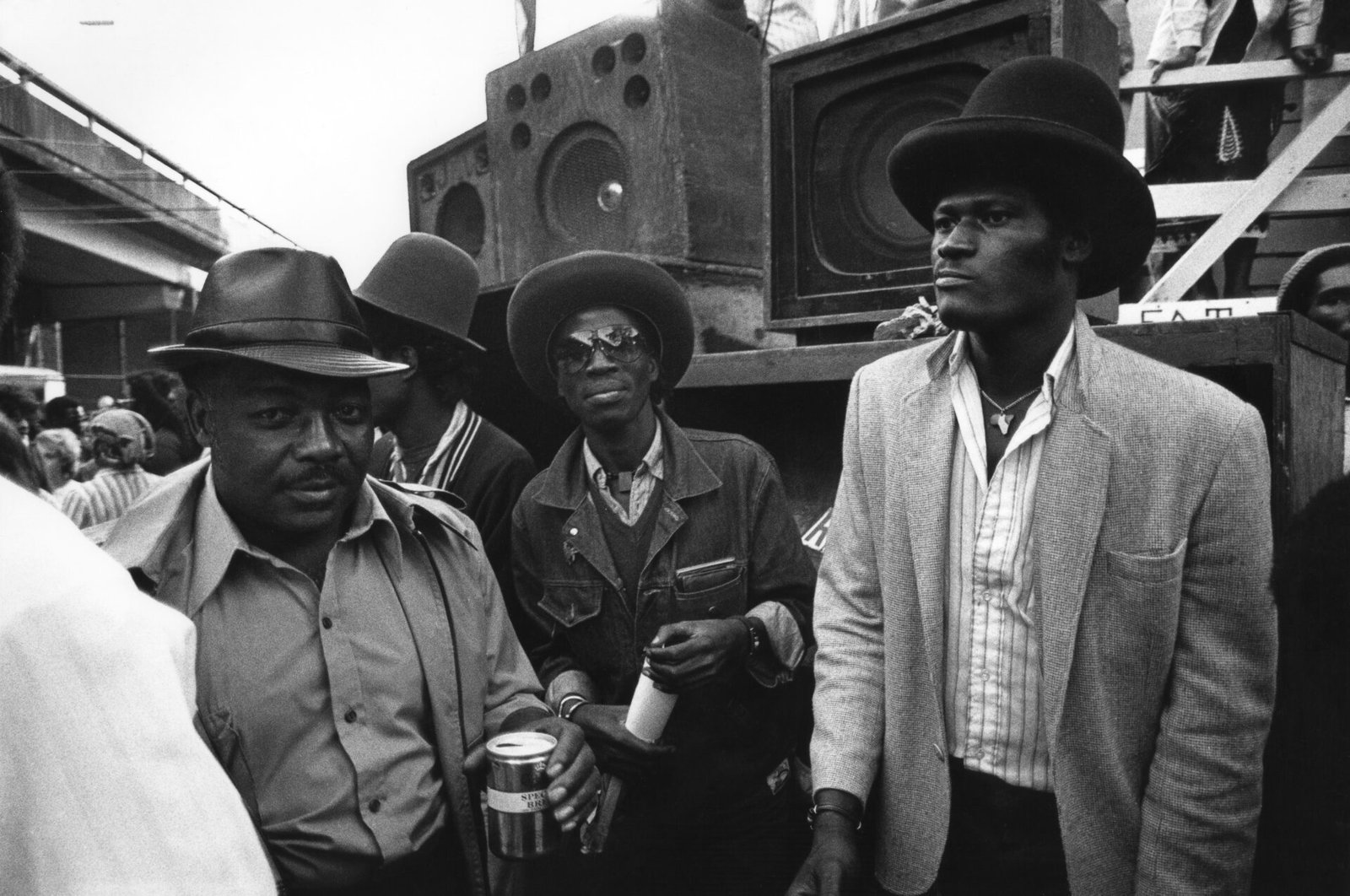
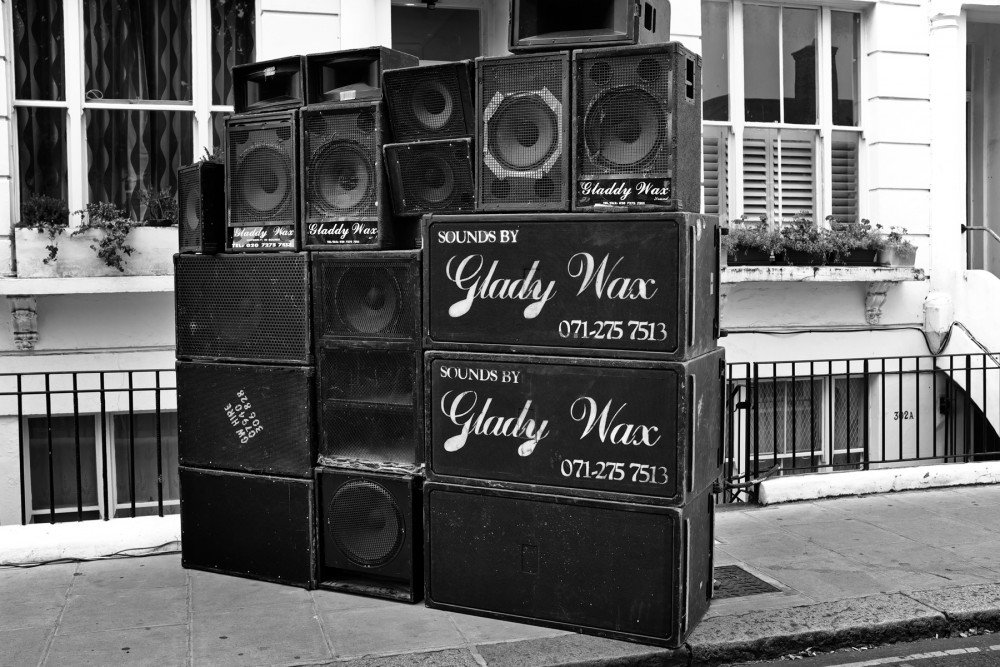
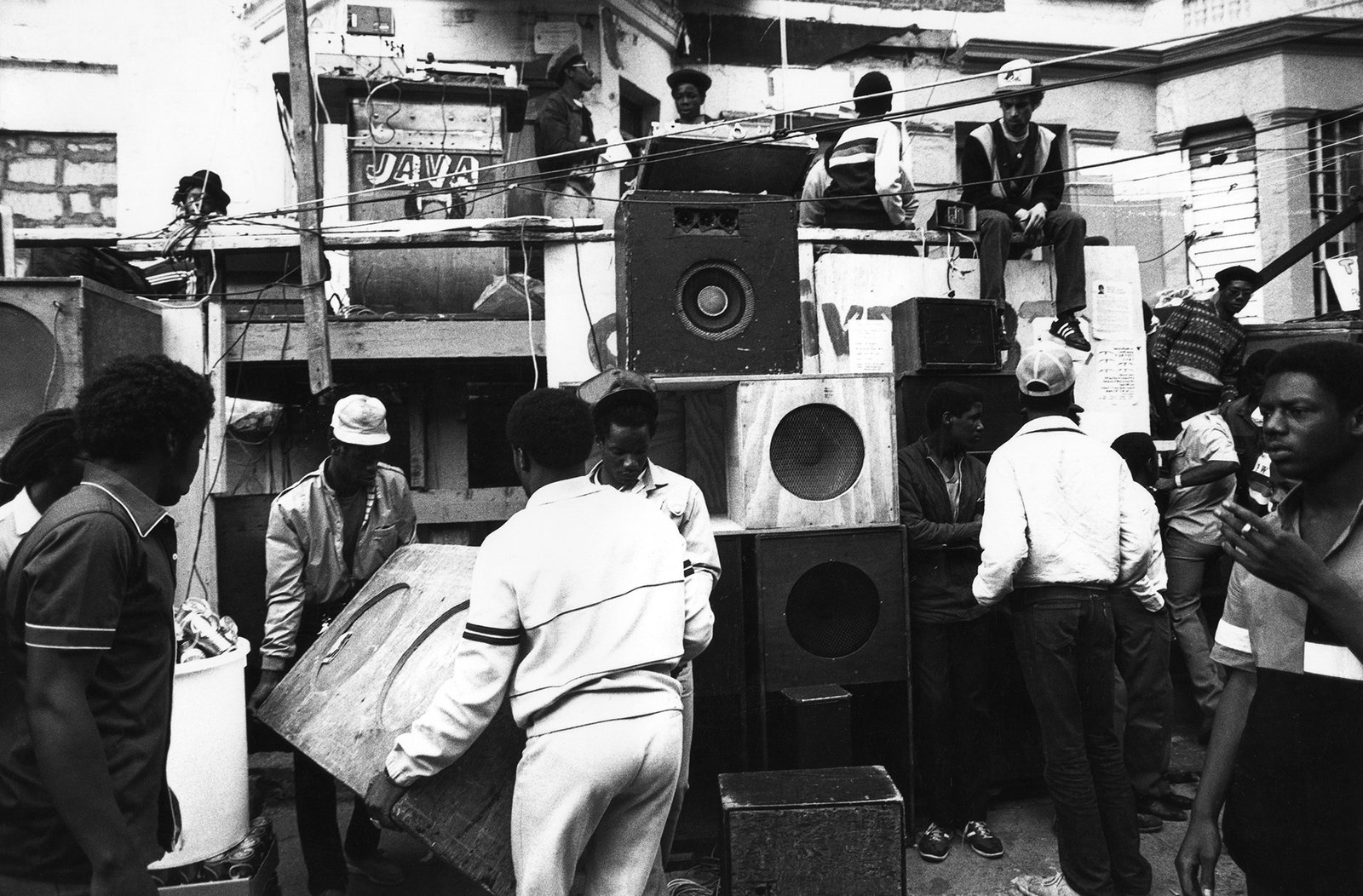
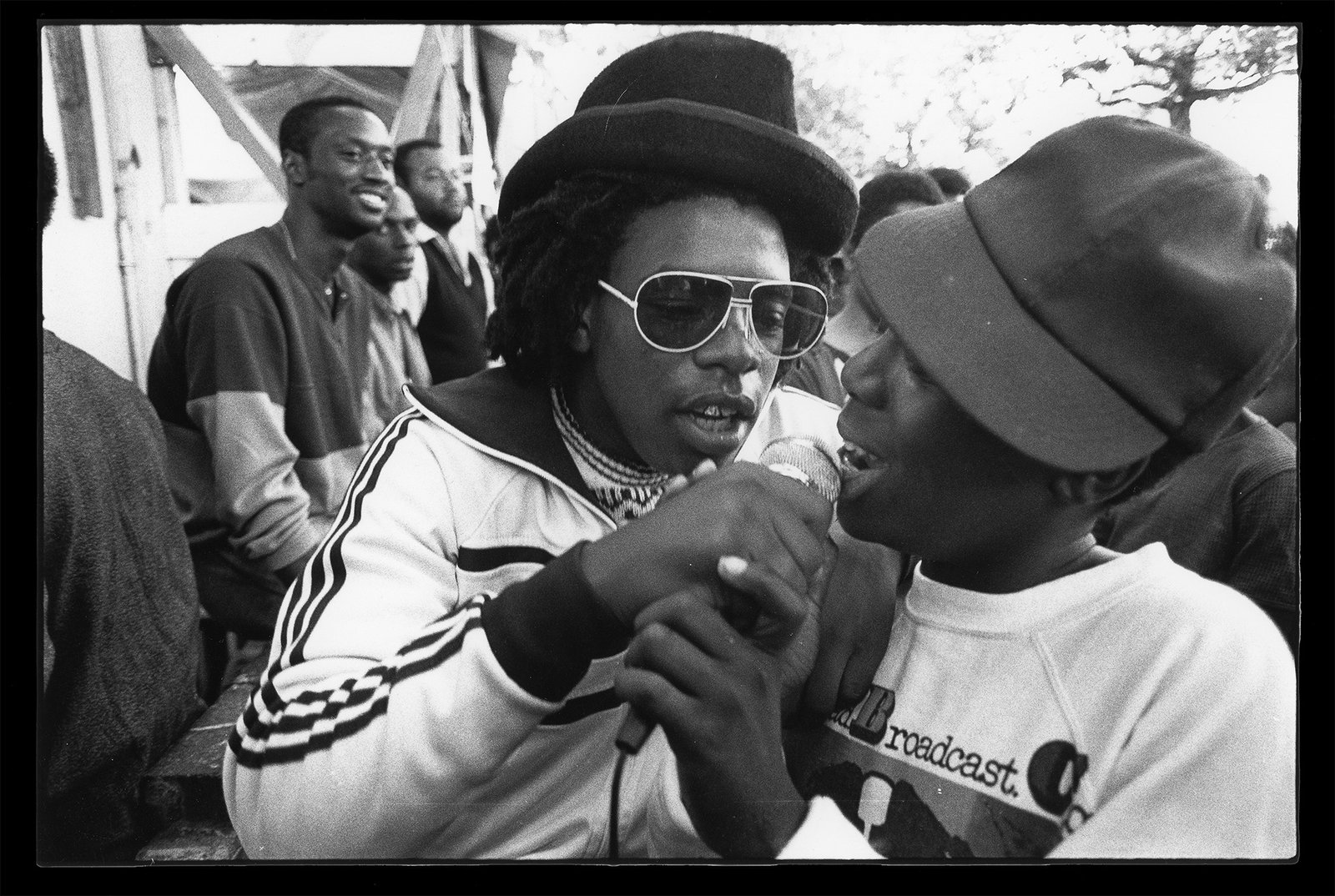
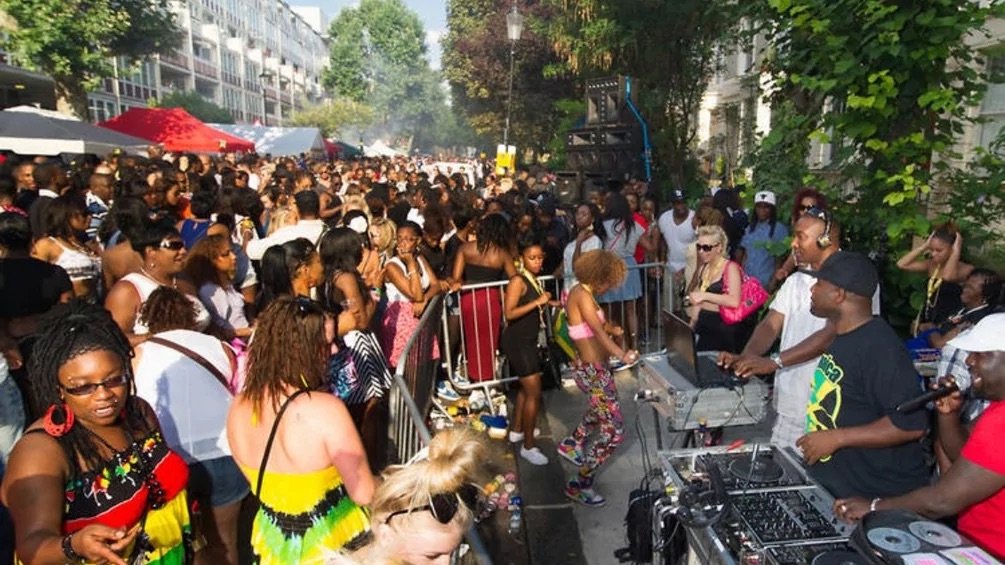
Sound system culture — mobile speaker setups powered by selectors and MCs — took root in North Kensington through Caribbean communities in the 1950s. Figures such as Duke Vin helped establish a Jamaican-style sound system presence in Ladbroke Grove, and these mobile discos became spaces for celebration, identity, and community.
Sound systems helped shape Notting Hill Carnival’s musical character and influenced later UK bass- and MC-led scenes.
The Oral Tradition
Sound system culture wasn't just about playing records — it was about the selector's skill in reading a crowd, and the MC's ability to toast, rhyme, and command attention. These performance traditions influenced later UK MC-led music scenes.


Basing Street Studios
Basing Street Studios (Island / Sarm West)
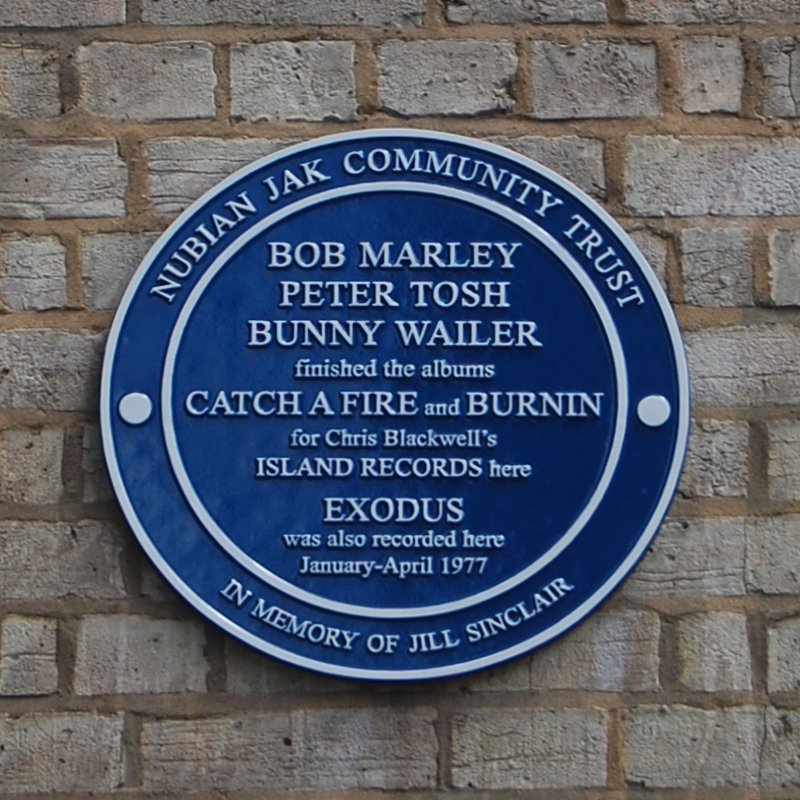
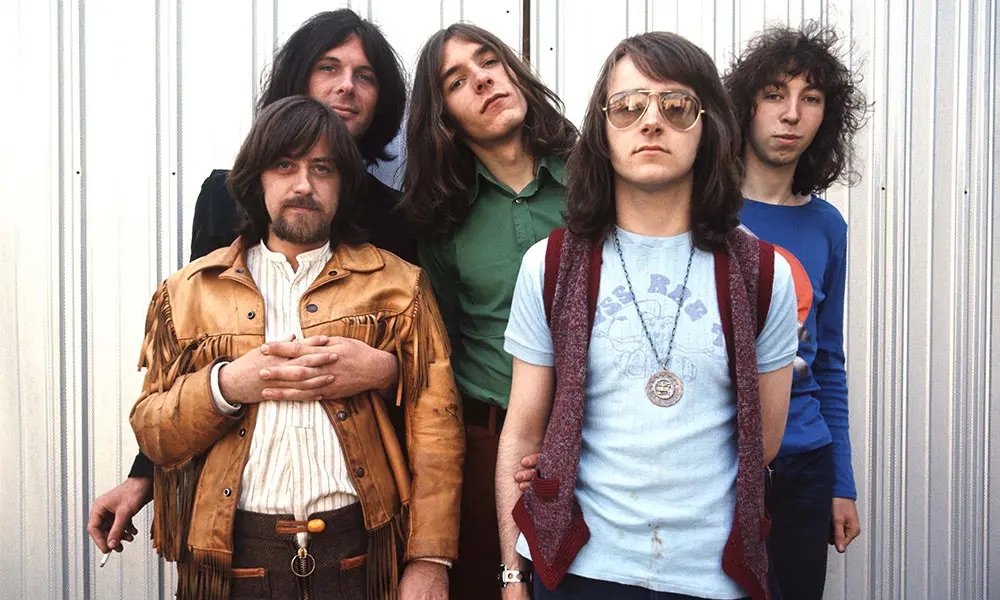
Founded by Chris Blackwell for Island Records, Basing Street Studios became a major recording facility in British music history. Artists associated with sessions here include:
Notable Recording Artists
-
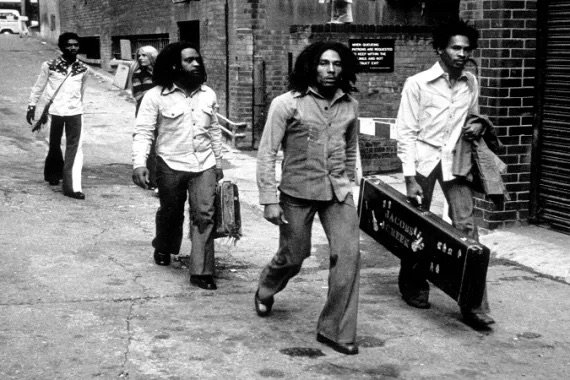
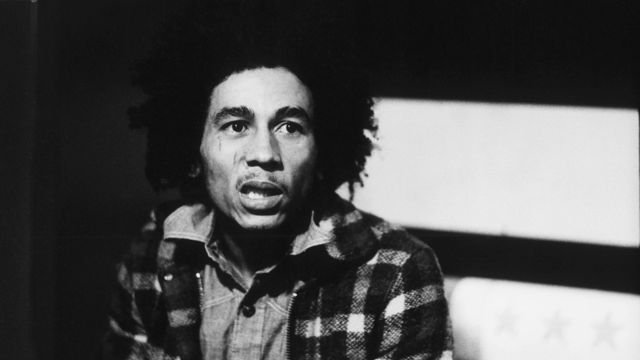
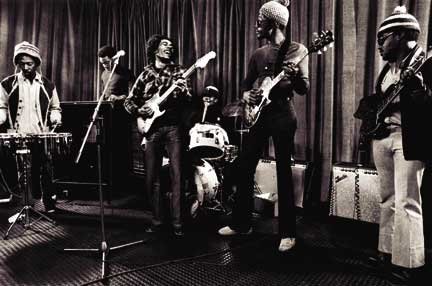
Bob Marley & The Wailers
Exodus (1977)
Recorded during Marley’s London exile at Island’s Basing Street complex.
-
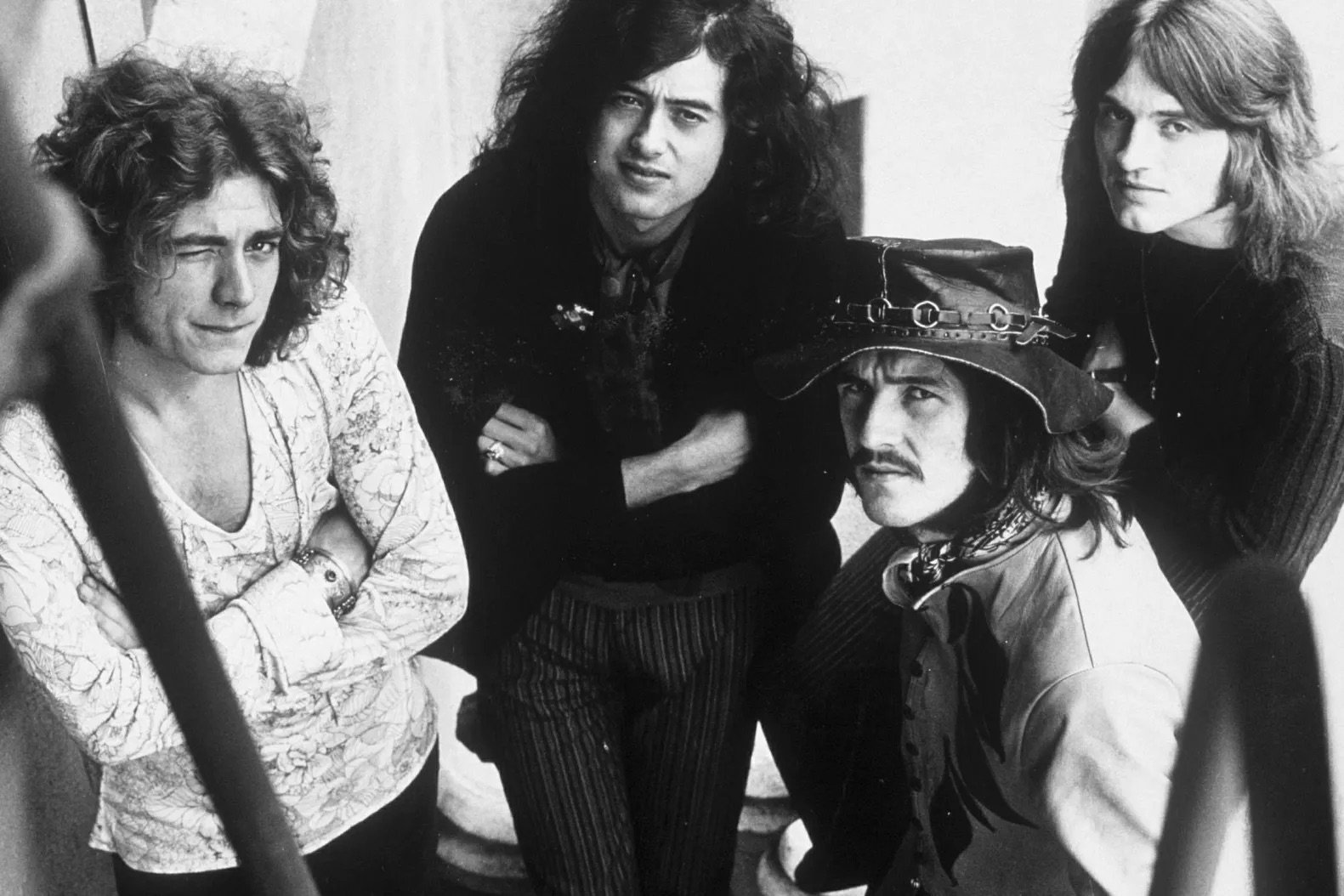
Led Zeppelin
Led Zeppelin IV
Sessions included “Black Dog” and parts of “Stairway to Heaven.”
-
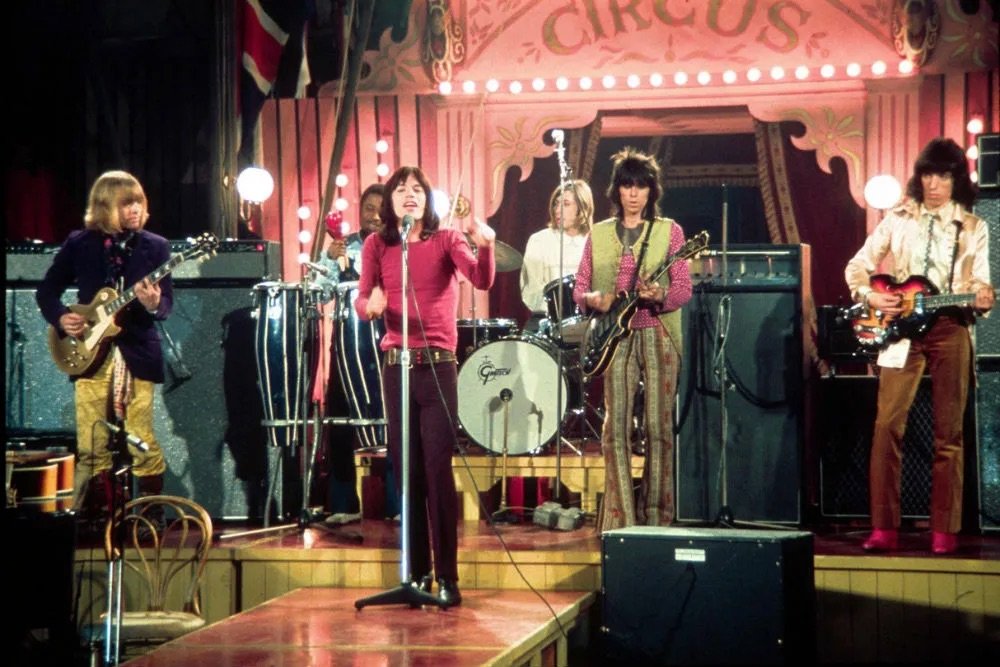
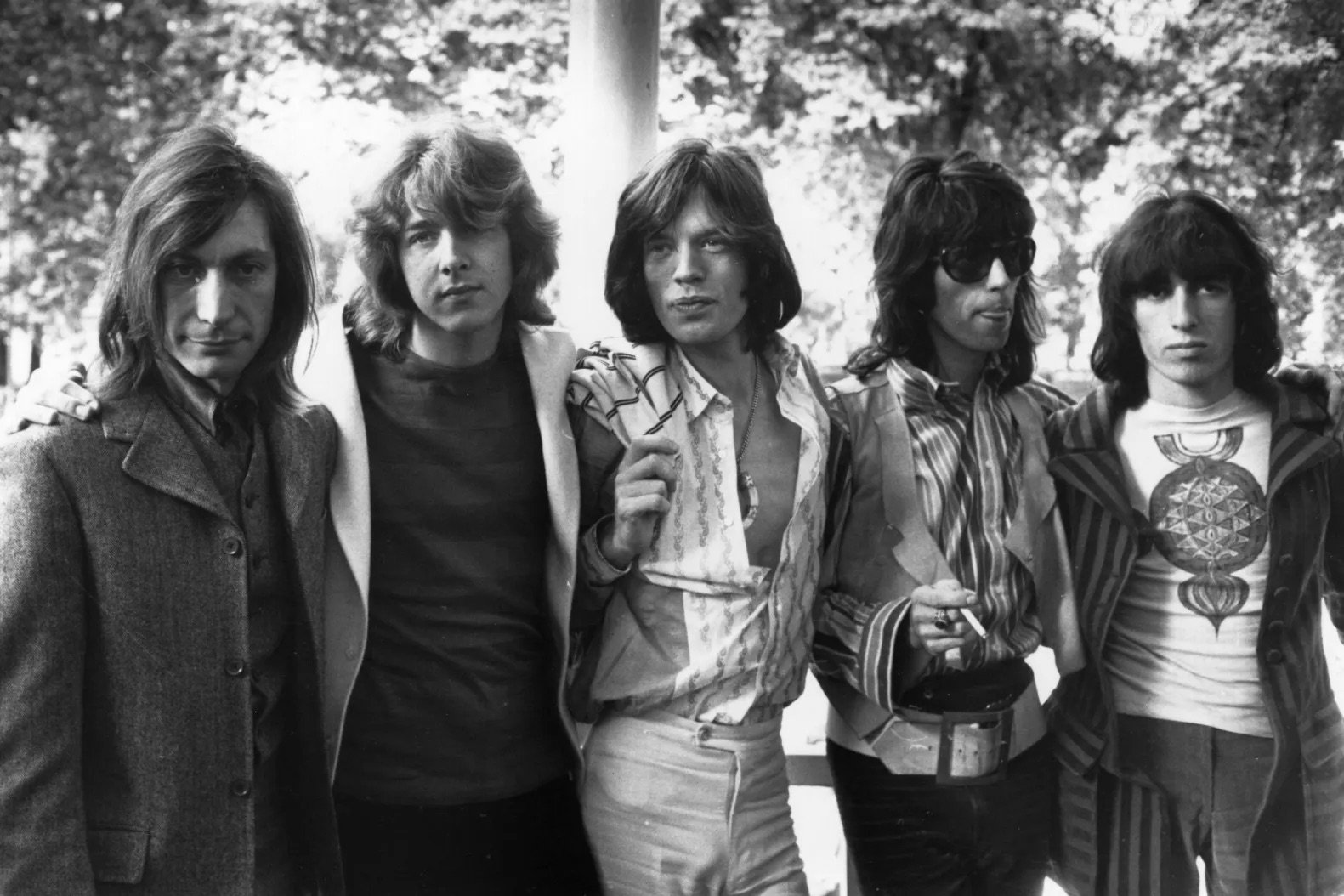
The Rolling Stones
Goats Head Soup
Sessions and mix work included the hit “Angie.”
-
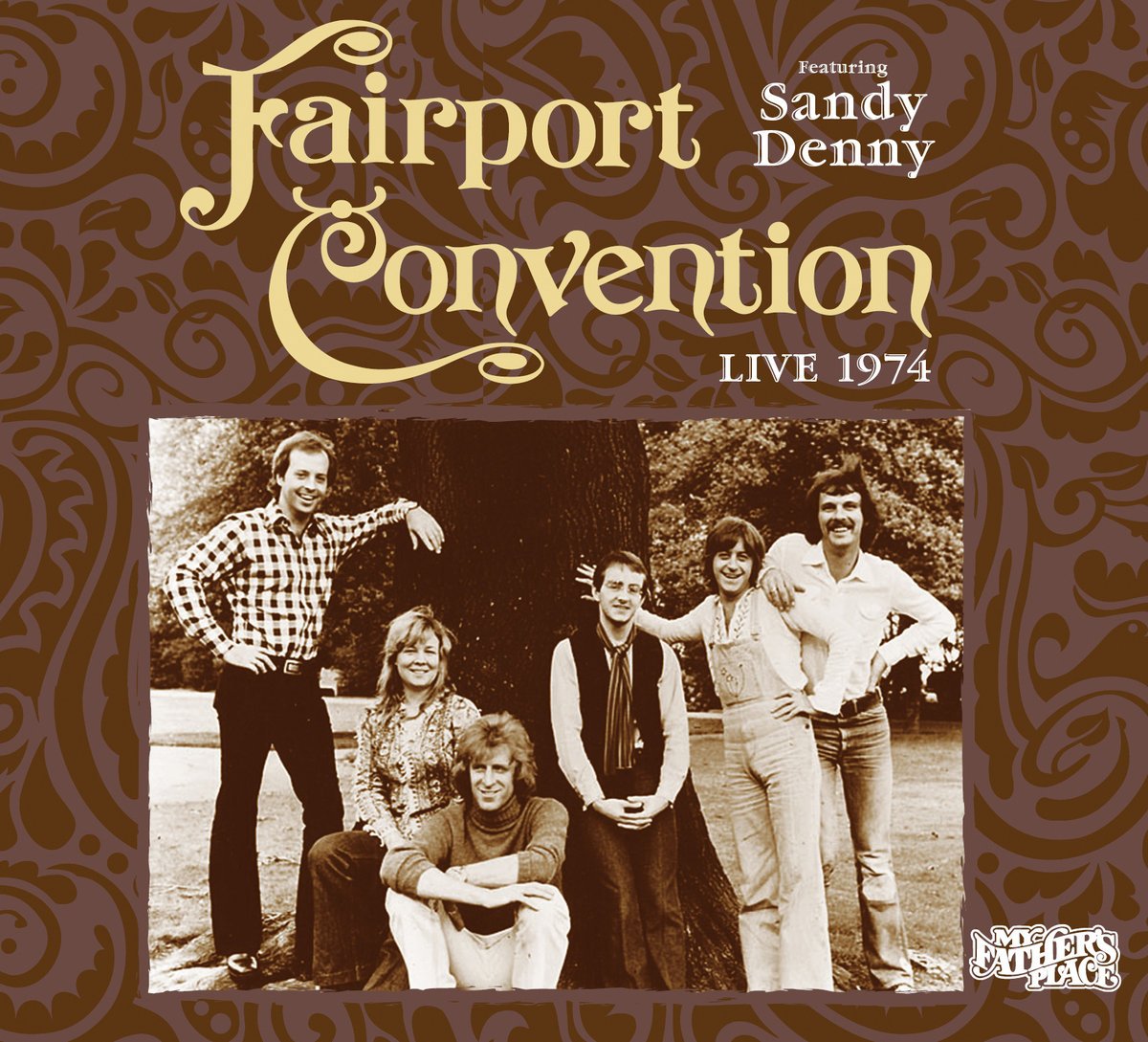
Fairport Convention
The Bonny Bunch of Roses (1977)
Recorded at Island’s London studio.
-
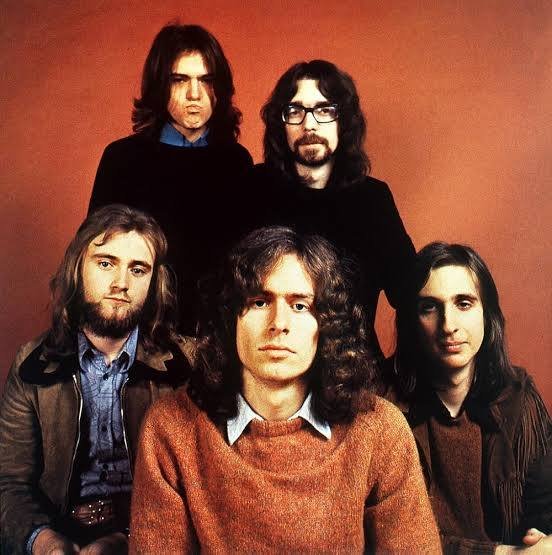
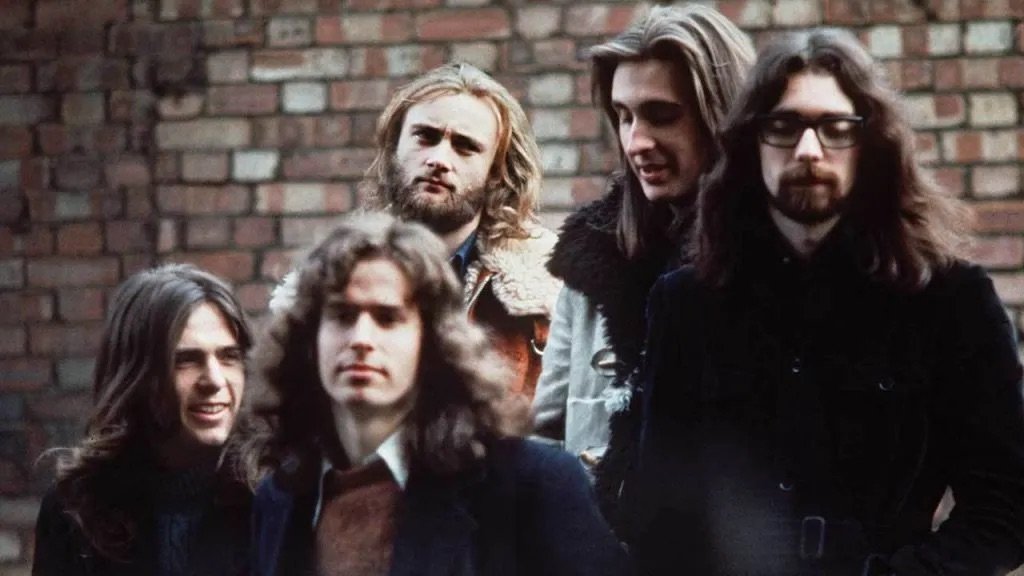
Genesis
Foxtrot (1972)
Includes “Supper’s Ready,” recorded at Island Studios, London.
Music Venues & Community Spaces
Places that connect local performance, nightlife, and community culture
The Tabernacle
A community arts venue housed in a Grade II listed Victorian former church. The Tabernacle is a key North Kensington cultural space, hosting live music, theatre, and community events.
It also links local arts life to wider cultural programming, and has been used by the Portobello Film Festival. Local heritage records also place Brian Jones on the west side of Powis Square in 1962. The Tabernacle’s published history also notes hosting the launch of the Rolling Stones’ Voodoo Lounge album.
The Globe
A longstanding bar and club venue on Talbot Road that remains part of the local music and nightlife ecosystem, hosting live gigs and private events.
The Globe represents the street-level venues that support local nightlife, live performance, and social connection in the neighbourhood.
ACRES (formerly Subterania / Acklam Hall)
A historic West London event venue under the Westway flyover — a distinctive space used for events and performances.
Formerly known as Subterania and Acklam Hall, it is now ACRES and remains one of North Kensington’s most distinctive live culture spaces.
Figures in the Local Music Story
Selected artists and organisers linked to North Kensington and its music heritage. More recent Ladbroke Grove-linked voices often cited in this continuity include Cleo Sol, Rita Ora, Central Cee, and AJ Tracey. Many other local performers, including Earl Okin, are also part of the wider story, with performances at venues such as the Royal Albert Hall and Ronnie Scott’s.
The Clash
The Clash’s early story is closely tied to West London, and the 1976 Notting Hill Carnival clashes are often cited in relation to “White Riot”.
The Slits
A pioneering all-female band connected to the wider West London punk scene, with a style that helped bridge punk energy and dub-influenced experimentation.
Central Cee
Born in Ladbroke Grove and raised nearby in Shepherd’s Bush, Central Cee is one of the most prominent contemporary UK rap artists. As of March 2, 2026, Official Charts credits him with 2 UK No. 1 singles and 3 UK No. 1 albums.
Aswad
Formed in 1975 in West London, Aswad became one of Britain’s defining reggae groups and an important part of the area’s Black British music story.
Duke Vin
Duke Vin is widely credited with introducing one of Britain’s first Jamaican-style sound systems in 1955, and became a major figure in Ladbroke Grove and Carnival sound-system culture.
Mick Jones
Mick Jones lived with his grandmother in Wilmcote House on the Warwick Estate, a West London setting closely tied to The Clash’s early story.
Chris Blackwell
As founder of Island Records, Chris Blackwell’s decision to establish Island Studios at Basing Street helped connect North Kensington to international recording history.
North Kensington’s music story is not one genre or one venue. It is a long-running exchange between communities, local spaces, and recording history.